
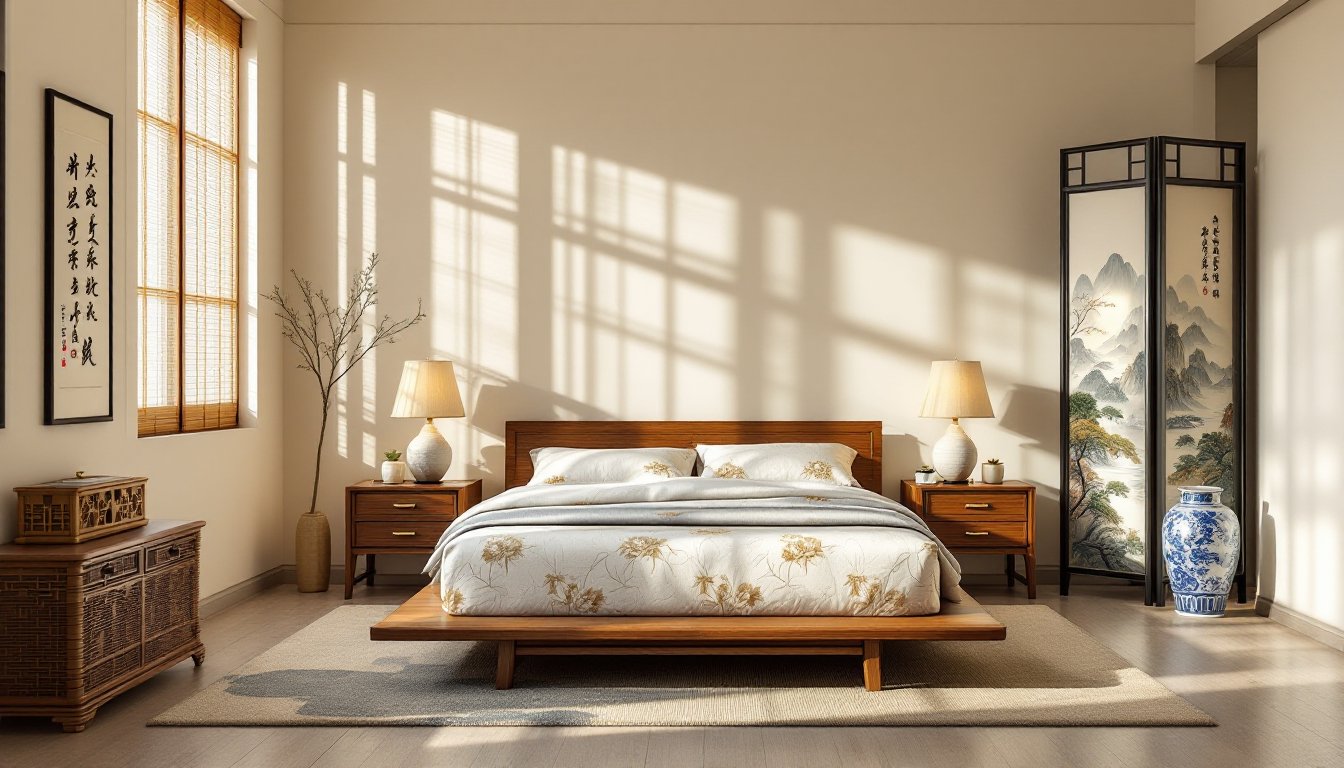

Chinese bedroom design merges centuries-old aesthetic principles with functional comfort, creating spaces that feel both serene and grounded. Unlike trends that cycle every few seasons, this approach draws from feng shui, natural materials, and symbolic motifs that have shaped interiors for millennia. Homeowners don’t need to gut a room or source antiques from overseas, most chinese bedroom decor elements work within standard construction and can layer onto existing layouts. The key lies in understanding balance, intentional color use, and furniture placement that serves both visual harmony and practical daily use. This guide walks through the core components, from selecting the right red lacquer finish to positioning a platform bed for optimal energy flow.
Key Takeaways
- Chinese bedroom design balances opposing forces through symmetry, natural materials, and intentional color use—principles that make rooms feel serene without requiring expensive renovations.
- Use the 60-30-10 color ratio: 60% neutral walls, 30% dark wood tones, and 10% accent colors like red or jade green to create visual harmony in your space.
- A low-profile platform bed with proper spacing (at least 24 inches on each side) and positioned diagonally from the door forms the foundation of authentic Chinese bedroom layout.
- Incorporate 3–5 intentional Chinese decor pieces—such as a folding screen, landscape scroll, or lacquered furniture—layered with modern elements to avoid clichéd theming.
- Prioritize solid wood or bamboo materials for key furniture pieces like bed frames and nightstands, as laminate imitations undercut the tactile richness that defines Chinese bedroom design.
- Replace builder-grade lighting with warm lantern-style pendants or ceramic table lamps using 2700K LED bulbs to mimic the diffuse, ambient glow central to the aesthetic.
Core Principles of Chinese Bedroom Design
Chinese design philosophy centers on balance, natural harmony, and the interaction of opposing forces, yin and yang. In bedroom contexts, this translates to pairing dark wood with light textiles, hard surfaces with soft fabrics, and ornate details with clean negative space.
Symmetry plays a crucial role. Matching nightstands flanking a bed, paired lamps, or mirrored wall art reinforce visual equilibrium. This isn’t about rigid formality: it’s functional. Symmetrical layouts make small rooms feel larger and busy spaces calmer.
Material authenticity matters. Traditional Chinese interiors favor solid wood (rosewood, elm, or bamboo), natural stone, and silk or cotton textiles. Avoid laminate or plastic imitations, they undercut the tactile richness that defines the style. If budget limits solid hardwood furniture, prioritize it for the bed frame and use bamboo or rattan for accent pieces.
Minimalism with intention distinguishes Chinese design from stark modern styles. Every object serves a purpose or carries symbolic meaning. A carved wooden screen isn’t just a room divider: it blocks negative energy (sha chi) while adding craftsmanship. Decorative choices should feel curated, not cluttered.
Essential Color Palettes for Authentic Chinese Bedrooms
Chinese color theory assigns meaning and energy to each hue. Red symbolizes luck and vitality but should be used as an accent, a lacquered cabinet, embroidered throw pillows, or painted door frame. Covering all four walls in red creates visual chaos and disrupts sleep.
Black and dark brown (from ebony or walnut furniture) provide grounding weight. Pair these with cream, beige, or soft gold walls to prevent the room from feeling cave-like. A 60-30-10 ratio works: 60% neutral walls and bedding, 30% dark wood tones, 10% accent colors like red, jade green, or imperial yellow.
Gold accents appear in traditional chinese bedroom decor through hardware, picture frames, or silk brocade patterns. Real gold leaf is impractical for most DIYers: metallic paint or gold-toned brass fixtures deliver the same visual effect. Sherwin-Williams Compatible Cream (SW 6387) or Benjamin Moore Manchester Tan (HC-81) provide warm neutral bases that complement dark furniture without competing.
Jade green and deep blue represent tranquility and health. These work well in textiles, a silk duvet cover or ceramic vase, but avoid electric or neon versions. Look for muted, earthy tones.
Furniture Selection and Placement
Chinese bedroom furniture emphasizes low profiles and clean lines. Avoid ornate French curves or Scandinavian minimalism that strips all detail. Look for pieces with subtle carving, joinery visible at corners (mortise-and-tenon preferred), and horizontal emphasis.
Nightstands should sit 24–30 inches tall to align with most platform beds. If purchasing new, confirm actual dimensions, many “Asian-inspired” imports use particleboard cores with veneer that chips easily. Solid wood or bamboo plywood (at least ¾-inch thick) holds up better.
Storage chests (often called blanket boxes or trunks) double as seating at the foot of the bed. Traditional versions feature brass corner guards and central latch plates. Modern replicas work fine if the joinery is sound, check that the lid hinges are metal, not plastic, and that the base sits flat without wobbling.
Avoid overcrowding. A typical 12×14-foot bedroom comfortably fits a queen bed, two nightstands, one dresser, and a small seating area. Larger rooms can add a folding screen or low console table.
Traditional Chinese Bed Styles
Platform beds (also called opium beds) sit low to the ground, often with a built-in frame that extends slightly beyond the mattress perimeter. Standard Western box springs don’t fit these designs: use a 6–8-inch memory foam or latex mattress directly on the slatted platform. Ensure slats run no more than 3 inches apart to prevent sagging.
Canopy beds (luohan chuang) feature four posts with a decorative overhead frame, often carved with cloud or dragon motifs. These aren’t structural, they don’t support curtains like European four-posters. The canopy is symbolic, representing shelter and status. DIYers can build a simplified version using 4×4 posts and a 1×6 frame, but proper mortise-and-tenon joinery requires a plunge router, chisels, and patience. For most, purchasing a ready-made frame is more practical.
Mats and bedding: Traditionally, Chinese beds used woven bamboo or rattan mats over the platform. These provide ventilation but little cushioning. Modern adaptations layer a thin futon or mattress topper over the mat for comfort.
Decorative Elements That Define Chinese Style
Folding screens (pingfeng) serve as movable walls, hiding storage areas or creating a dressing nook. Authentic versions use lacquered wood frames with fabric, paper, or carved panel inserts. Budget-friendly options include three-panel room dividers with rice paper and bamboo frames, available at import retailers for $80–$150. Check that hinges swing both directions and that the frame doesn’t rack when moved.
Wall art favors calligraphy scrolls, landscape paintings (shanshui), or embroidered silk panels. Avoid mass-produced prints: look for hand-painted pieces or high-quality reproductions on textured paper. Frame them simply, black lacquer or natural wood, no ornate gilding.
Lighting should feel warm and diffuse. Lantern-style pendants or table lamps with silk shades work better than overhead can lights. Paper lanterns are fine for ambient effect but check fire ratings, many cheap imports aren’t UL-listed. LED bulbs in the 2700K (warm white) range mimic candlelight without the safety hazard.
Textiles: Silk brocade, embroidered cushions, and bamboo blinds add texture. Window treatments should control light without blocking it entirely, matchstick bamboo shades or linen curtains in natural tones suit the aesthetic better than blackout polyester.
Ceramics and porcelain appear as vases, ginger jars, or decorative bowls. Blue-and-white porcelain (Ming style) or celadon green pieces are traditional. Place them on dressers or shelves, not on the floor where they’ll collect dust or get kicked.
Balancing Feng Shui in Your Bedroom Layout
Feng shui isn’t mysticism, it’s spatial psychology with centuries of refinement. The bed’s commanding position means placing it diagonally across from the door, with a solid wall behind the headboard and clear sightlines to the entrance. Avoid positioning the bed directly in line with the door (the “coffin position”) or under a window, which creates drafts and psychological unease.
Clearance matters. Leave at least 24 inches on each side of the bed for easy access and energy flow. If the room is narrow, prioritize one side over cramming the bed against a wall.
Mirrors shouldn’t face the bed directly. This isn’t superstition, waking to your own reflection or passing headlights bouncing off glass disrupts sleep. Place mirrors on closet doors or perpendicular walls instead.
Clutter blocks chi. Storage should be closed (drawers, cabinets with doors) rather than open shelving that collects visual noise. Under-bed storage is acceptable if contained in boxes or drawers, avoid shoving loose items underneath.
Electronics generate electromagnetic fields that some practitioners believe disrupt rest. Practically, they also emit light and tempt late-night scrolling. If removing TVs or phones isn’t realistic, keep them at least six feet from the headboard and use a charging station outside the bedroom.
Blending Chinese Design with Modern Aesthetics
Most homeowners want Chinese bedroom decor without living in a museum. Hybrid approaches work best: start with neutral walls and contemporary flooring (engineered hardwood in medium brown or gray), then layer in Chinese elements.
A low-profile platform bed with clean lines bridges styles. Add matching nightstands with simple hardware, a geometric area rug in muted tones, and one statement piece, a carved wooden screen, a large landscape scroll, or a lacquered dresser.
Lighting offers easy updates. Swap builder-grade fixtures for lantern-style pendants or ceramic table lamps. The effort takes under an hour and requires only a screwdriver and wire nuts for hardwired swaps. Always shut off power at the breaker before touching electrical connections.
Textiles soften modern spaces. Layer a silk throw over a linen duvet, or use embroidered pillow shams against solid-color sheets. Bamboo blinds pair well with simple drywall and trim.
Avoid theme-park overload. Three to five intentional Chinese pieces, bed, nightstands, screen, art, textiles, integrated with neutral modern elements create a cohesive look. Overloading every surface with dragons, lanterns, and red lacquer turns the room into a cliché.
DIY touch-ups: If existing furniture is the wrong tone, homeowners can apply tung oil to lighten raw wood or gel stain to darken it. Test on an inconspicuous area first. Applying brass or black iron hardware to plain dressers instantly shifts them toward Chinese styling for under $30 in materials.
Chinese bedroom design rewards patience and attention to proportion. Start with one anchor piece, a bed or statement cabinet, then build around it. The result feels grounded, restful, and built to last longer than any passing trend.