

First impressions matter. A home’s exterior walls are prime real estate for creating visual interest, breaking up long spans of siding or stucco, and adding personality before guests reach the front door. Outdoor wall decor transforms a flat, forgettable facade into something inviting and memorable. But not all decor can handle UV exposure, freeze-thaw cycles, and driving rain. The right pieces need to deliver style and durability, anchored securely enough to survive high winds. This guide covers what works, what lasts, and how to install it without turning the front of a house into a yard-sale disaster.
Key Takeaways
- Outdoor wall decor transforms flat facades into inviting, memorable exteriors while adding visual dimension, drawing attention to architectural features, and improving curb appeal for resale value.
- Powder-coated metal, stainless steel, sealed wood, and resin are the top weather-resistant materials for outdoor wall decor that resist UV fading, rust, rot, and moisture damage for 5–15 years.
- Proper installation requires anchoring to solid studs or using masonry anchors rated for both the piece’s weight and wind load—at least two anchor points for safety.
- Scale and placement are critical: use the two-thirds rule to match decor width to the wall section, create single focal points rather than scattered pieces, and align with existing architectural elements.
- Outdoor-rated mirrors and metal planters add light and living texture to vertical spaces but require proper drainage and backing boards on siding to prevent moisture damage and weight issues.
- Avoid untreated wood, indoor-grade materials, uncoated iron, and non-tempered glass; acclimate wood and resin pieces for 48 hours before installation to reduce warping from humidity changes.
Why Outdoor Wall Decor Matters for Your Home’s Exterior
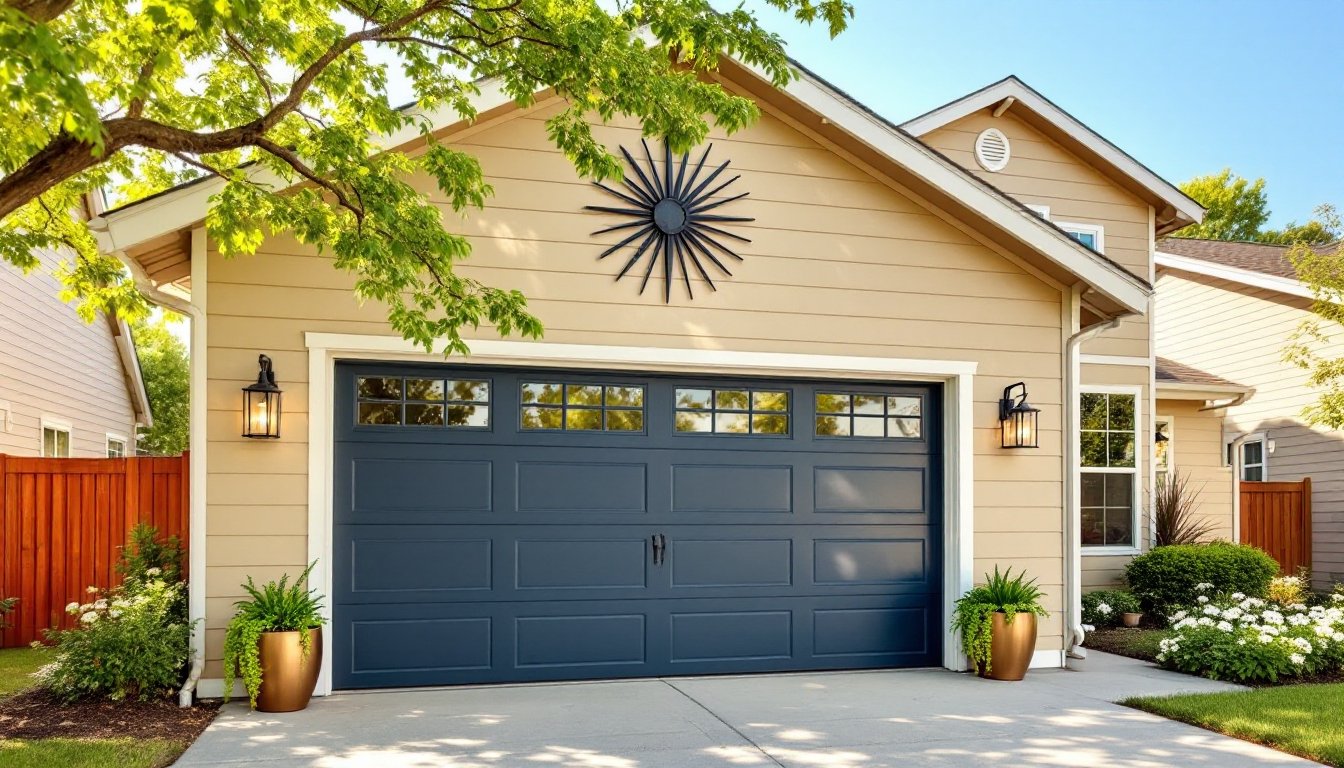
Bare exterior walls make even well-maintained homes feel unfinished. Outdoor wall decor adds dimension, draws the eye to architectural features, and helps balance asymmetrical facades. A piece of art above a garage door, for example, anchors the visual weight of a wide, blank surface. Decor near entryways creates a layered welcome that landscaping alone can’t achieve.
From a practical standpoint, well-chosen decor can also distract from less attractive elements, utility meters, old siding patches, or awkward window placements. It guides visitors’ attention where the homeowner wants it.
Beyond aesthetics, exterior decor signals care and attention to detail, which matters for resale value and neighborhood perception. Appraisers and buyers notice curb appeal, and thoughtfully decorated exteriors often photograph better in listings. It’s a low-cost, high-impact upgrade compared to replacing siding or repainting the entire house.
Best Outdoor Wall Decor Ideas for Front of House
Not every indoor decor trend translates to exterior walls. Materials need to resist moisture, temperature swings, and UV degradation. Here are proven categories that hold up.
Metal Art and Sculptures
Powder-coated steel and aluminum pieces dominate outdoor wall art for good reason: they won’t rot, warp, or shatter. Powder coating, a heat-cured finish, resists fading and rust better than spray paint. Look for pieces rated for outdoor use, not repurposed indoor metalwork.
Popular options include laser-cut silhouettes, geometric panels, and abstract sculptures. Rustic or farmhouse-style metal windmills, stars, and animals suit rural or transitional homes, while sleek black steel lines work on modern exteriors. For coastal areas, marine-grade stainless steel or heavily sealed iron prevents corrosion from salt air.
Installation requires solid backing. Mount to studs, not just sheathing or siding. For brick or stucco, use masonry anchors rated for the piece’s weight plus wind load. A 24-inch metal sunburst might weigh 8 pounds, but wind can exert 20+ pounds of force in a storm. Use at least two anchor points, three for pieces over 18 inches.
Safety note: Wear gloves when handling raw or cut metal edges, and safety glasses when drilling masonry.
Decorative Mirrors and Wall Planters
Outdoor-rated mirrors made with sealed, weather-resistant backing add light and the illusion of depth to narrow or shaded facades. They’re especially effective flanking doorways or reflecting garden beds. Avoid regular glass mirrors, moisture seeps behind the silvering and causes black spots. Look for acrylic or polycarbonate mirrors for impact resistance, or true exterior mirrors with marine-grade coatings.
Mirrors need a frame with drainage gaps or mounting that leaves airspace behind the glass to prevent trapped condensation. Install out of direct, all-day sun in hot climates, concentrated reflection can scorch siding or start small fires in dry conditions (rare but documented).
Wall-mounted planters in powder-coated metal, sealed cedar, or resin bring living texture to vertical spaces. Metal rail planters hook over porch railings: pocket planters mount flush to siding. Use self-watering inserts or drill drainage holes to prevent root rot and siding stains from overflow.
For planter installation on vinyl or wood siding, mount a backing board (1/2-inch treated plywood or PVC trim board) to studs first, then attach planters to the board. This distributes weight and protects siding from fastener damage. Stucco and brick can take direct masonry screws, but always use wall anchors rated for the combined weight of soil, plants, and water.
Choosing Weather-Resistant Materials That Last
Material choice determines whether decor survives one season or ten.
Powder-coated aluminum and galvanized or stainless steel top the durability list. Powder coating is electrostatically applied and baked, creating a tougher shell than liquid paint. Expect 10–15 years in moderate climates, 5–8 in coastal salt spray or high desert UV without refinishing.
Sealed wood works if properly maintained. Cedar, teak, and ipe resist rot naturally, but they still need annual resealing with marine spar varnish or exterior-grade polyurethane. Untreated pine or fir will split and rot within two seasons outdoors. Painted wood requires exterior primer and two coats of acrylic latex paint, plus touch-ups every 2–3 years.
Resin and high-density polyethylene (HDPE) offer rot-proof, lightweight alternatives. Quality resin pieces mimic wood grain or stone texture and won’t fade if UV inhibitors are mixed into the material (not just surface-coated). Cheap resin cracks in freezing temps, check product specs for temperature range.
Outdoor fabric art (usually acrylic or solution-dyed polyester) resists mold and fading better than cotton canvas. Mount under eaves or covered porches: even outdoor fabric degrades quickly under constant rain and sun. Remove fabric pieces during winter in freeze zones.
Avoid:
- Uncoated iron (rusts aggressively)
- Indoor-grade MDF or particleboard (swells and disintegrates)
- Non-tempered glass (shatters: safety hazard)
- Untreated wicker or rattan (mildews and falls apart)
Material acclimation: Let wood and resin pieces sit outside for 48 hours before installation so they expand/contract to ambient humidity. This reduces warping after mounting.
Styling Tips for Maximum Curb Appeal
Placement and proportion separate thoughtful design from clutter.
Scale matters. A 12-inch plaque on a two-story wall disappears. Use the two-thirds rule: decor should cover roughly two-thirds the width of the wall section or architectural feature it’s anchoring. A single-car garage door (9 feet wide) looks balanced with a 5–6-foot horizontal piece or a grouping that spans that width.
Create focal points, not chaos. One statement piece works better than five small ones scattered randomly. If using multiples, arrange them in odd-numbered groups (3 or 5) with intentional spacing, usually 3–6 inches apart for gallery-wall effects, more for standalone pieces.
Align with architecture. Mount decor centered over doorways, windows, or garage doors, or aligned with trim edges. Crooked or off-center pieces look careless. Use a 4-foot level and measure from fixed reference points (window frames, soffits) rather than eyeballing.
Consider sightlines. Place decor where it’s visible from the street and the approach path. A beautiful piece on a side wall no one sees is wasted. Test visibility by standing at the curb and walkway before drilling.
Color coordination: Decor should either match existing trim/door colors (safe, cohesive) or provide intentional contrast (bold accent). Avoid introducing a third or fourth color that clashes with siding, shutters, and roof tones. Neutrals, black, bronze, white, natural wood, work with nearly any palette.
Lighting: For maximum impact, add uplights or wall-mounted sconces to highlight decor after dark. Low-voltage LED spotlights (3–5 watts) on adjustable stakes provide drama without running up electric bills.
Seasonal rotation: Swap or add seasonal elements (metal pumpkins in fall, a wreath hook for holidays) without over-decorating. The base install should look complete year-round.
Conclusion
Outdoor wall decor transforms blank siding into an intentional design statement, but only when built to survive the elements and mounted correctly. Choose weather-resistant materials, size pieces to the architecture, and always anchor to solid structure, not just surface materials. A well-placed metal sculpture or planter grouping delivers years of curb appeal without the cost or hassle of major exterior renovations.