
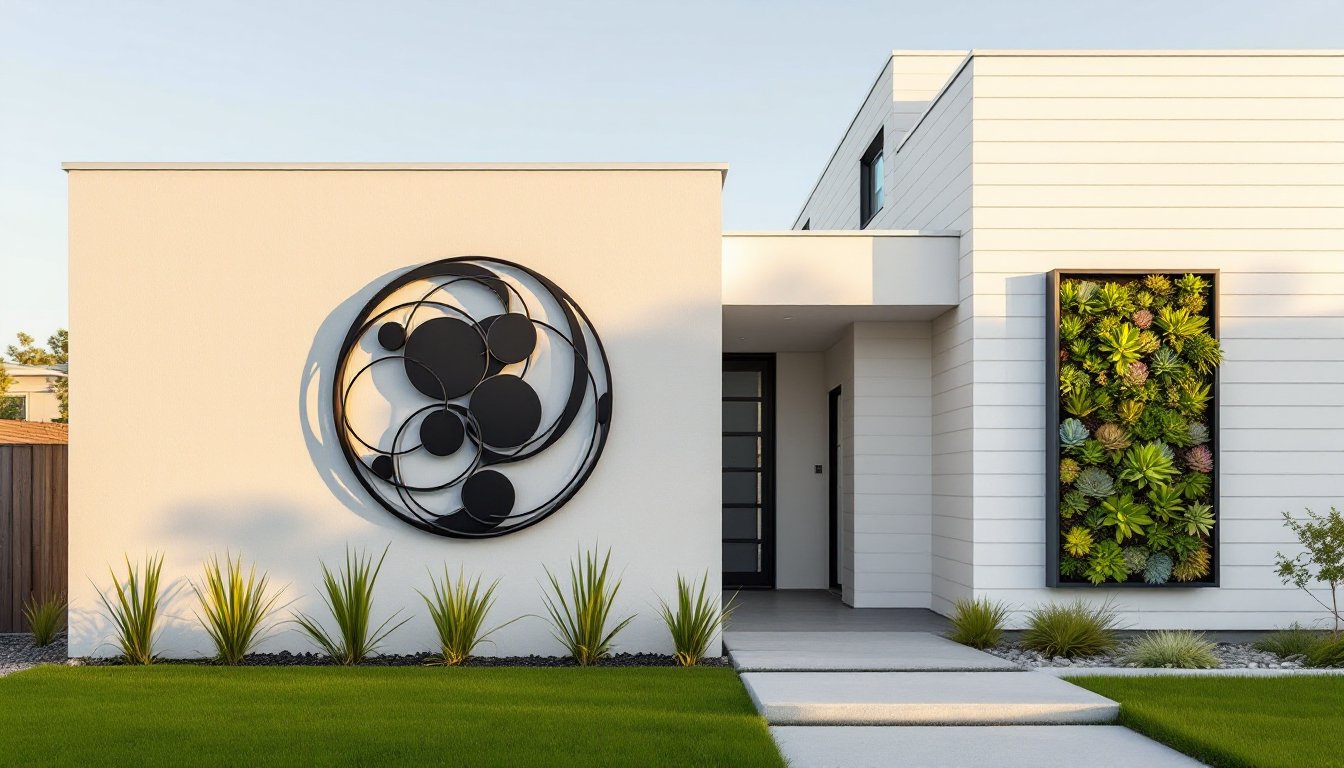

Blank exterior walls offer untapped potential for homeowners looking to elevate curb appeal without major renovations. Modern outdoor wall decor transforms dull siding, stucco, or brick into visual focal points that reflect contemporary design trends. Unlike interior decor, outdoor pieces must withstand UV exposure, temperature swings, and moisture, making material selection and installation just as important as aesthetics. This guide walks through proven ideas, material choices, and mounting strategies that deliver lasting impact without compromising structural integrity or weather resistance.
Key Takeaways
- Modern exterior wall decor transforms blank walls into architectural focal points that boost curb appeal without requiring major renovations.
- Powder-coated aluminum and Corten steel are top choices for outdoor wall art because they resist corrosion and complement contemporary home designs.
- Living wall panels add biophilic texture and color but require moisture barriers, quarterly maintenance, and irrigation planning to prevent water damage.
- Proper installation demands anchoring to studs, using wind-load-rated fasteners, and placing heavy pieces at 57–60 inches for optimal visual impact.
- Weather-resistant material selection—including composite wood alternatives and sealed ceramic tiles—ensures outdoor wall decor lasts decades rather than deteriorating within seasons.
- Strategic lighting and placement away from water sources maximize the aesthetic and functional value of exterior wall decor in both day and night visibility.
Why Modern Outdoor Wall Decor Matters for Your Home’s Curb Appeal
First impressions happen fast. A well-chosen exterior wall piece draws the eye and creates visual balance on large, featureless surfaces like garage walls, courtyard partitions, or fence panels. Modern designs, clean lines, minimal color palettes, geometric forms, complement contemporary architecture without clashing with existing hardscape or landscaping.
From a practical standpoint, outdoor wall decor can disguise imperfections. Stucco cracks, faded paint, or mismatched siding become less noticeable when anchored by a bold sculpture or living wall panel. This approach buys time before full exterior updates while delivering immediate visual payoff.
Property value considerations matter too. Strategic decor adds perceived finish and intentionality to outdoor spaces, which resonates with buyers expecting Instagram-ready curb appeal. The key is choosing pieces that feel permanent and purposeful, not seasonal or temporary. Homeowners should avoid overcrowding, one statement piece per wall plane typically works better than clusters of smaller items fighting for attention.
Top Modern Exterior Wall Decor Ideas for Contemporary Homes
Metal Wall Art and Geometric Sculptures
Powder-coated aluminum and Corten steel dominate modern outdoor art for good reason. Aluminum resists corrosion and stays lightweight, simplifying mounting on siding or stucco. Corten develops a stable rust patina that protects the underlying steel while delivering warm, earthy tones that contrast with gray or white exteriors.
Geometric designs, overlapping circles, angular sunbursts, abstract honeycomb patterns, work especially well on minimalist homes. Sizes typically range from 24 inches to 48 inches in diameter or width. Larger pieces (60+ inches) suit expansive walls but require blocking or masonry anchors rated for wind load, especially in exposed locations.
Laser-cut metal offers intricate detailing without the weight of solid panels. Homeowners can find designs featuring nature motifs, mid-century modern patterns, or custom monograms. When selecting metal art, verify the finish is UV-stabilized and rated for outdoor use, interior pieces will fade or corrode within a season.
Installation usually involves masonry screws for brick or concrete, or toggle bolts and blocking for wood-framed walls beneath siding. Pieces over 20 pounds should hit studs or dedicated blocking installed during mounting prep. Wind uplift is real, coastal or high-elevation homes need additional fasteners and possibly construction adhesive as backup.
Vertical Gardens and Living Wall Panels
Modular living wall systems bring texture, color, and biophilic design to exterior spaces. Pre-planted panels mount to wall surfaces and include integrated irrigation or self-watering reservoirs. Most systems use a felt or fabric pocket design with drainage layers to prevent moisture damage to underlying walls.
Succulent panels excel in arid or water-conscious regions, requiring minimal irrigation once established. For temperate climates, fern and moss combinations deliver lush greenery with moderate water needs. Full-sun walls demand drought-tolerant species like sedum, while shaded courtyards support hostas or coral bells in modular planters.
Critical prep work includes installing a moisture barrier between the living wall frame and the home’s exterior. Even well-designed systems can leak or create condensation. A simple polyethylene sheet or peel-and-stick membrane behind the mounting frame prevents water intrusion into wall cavities.
Maintenance isn’t trivial. Living walls need quarterly trimming, fertilization during growing seasons, and winter protection in freeze-prone zones. Drip irrigation timers reduce labor but add upfront cost, budget $150–$300 for a basic controller and tubing setup. Homeowners unwilling to commit to plant care should consider faux living wall panels made from UV-resistant polyethylene that mimic greenery without irrigation or pruning.
Choosing Weather-Resistant Materials for Lasting Outdoor Wall Decor
Outdoor decor fails when materials can’t handle freeze-thaw cycles, UV degradation, or moisture penetration. Powder-coated metals (aluminum, steel) offer decades of service if the coating remains intact, chips expose bare metal to corrosion, so touch-up paint rated for outdoor use is essential for long-term maintenance.
Marine-grade stainless steel (316-grade) works in coastal environments where salt spray accelerates rust. Standard stainless (304-grade) performs well inland but can pit near oceans. Corten steel is self-protecting but will stain adjacent surfaces during the initial weathering phase, plan placement away from light-colored siding or pavement.
For wood elements like trellises, decorative shutters, or carved panels, cedar, redwood, or pressure-treated lumber resist rot better than pine or fir. Even rot-resistant species benefit from annual applications of penetrating oil or exterior-grade sealer. Teak holds up exceptionally well but costs significantly more per board foot.
High-density polyethylene (HDPE) and composite materials replicate wood grain without the maintenance. These products won’t warp, split, or rot, though cheaper versions fade noticeably in direct sun. Look for products with UV inhibitors and at least a 10-year fade warranty.
Ceramic and porcelain tiles create stunning mosaic walls or decorative insets when properly installed over cement board backing. They’re fully weather-proof but require professional installation to prevent cracking from substrate movement. Grout must be sealed annually in freeze zones.
Avoid untreated fabric banners, uncoated iron, particleboard, or interior-grade paints. They’ll deteriorate within months, leaving rust stains, mold, or warped remnants that damage underlying wall surfaces.
Installation Tips and Placement Strategies for Maximum Impact
Mounting height drives visual impact. For single statement pieces, center the decor at 57–60 inches from ground level, standard gallery height that feels natural to viewers. On two-story walls, raise large pieces higher but maintain proportionality: oversized art mounted too low looks grounded rather than architectural.
Before drilling, use a stud finder or knock test to locate framing behind siding. Mounting to studs provides the strongest hold for heavy pieces. For hollow walls or areas between studs, install blocking, horizontal 2×4 or 2×6 boards fastened to studs that provide a solid anchor point. This requires removing a strip of siding, fastening the blocking, then reinstalling or replacing the siding.
Masonry walls simplify heavy-duty mounting. Tapcon screws or sleeve anchors rated for the decor’s weight plus a 50% safety margin handle most installations. Pre-drill with a carbide-tipped masonry bit matching the anchor diameter. Always wear safety goggles and a dust mask when drilling concrete or brick, silica dust is a respiratory hazard.
For lightweight pieces (under 10 pounds) on vinyl or fiber-cement siding, siding hooks slip behind panels without penetrating the wall. They redistribute weight across the siding face and are removable without leaving holes.
Wind load matters. Pieces with large surface areas catch wind like sails. In regions with frequent storms or sustained winds over 40 mph, add extra fasteners and consider construction adhesive (PL Premium or similar polyurethane formula) as a secondary attachment. Apply a bead along mounting brackets or the back perimeter of solid panels.
Placement strategy impacts aesthetics and function. Avoid centering decor on walls with off-center windows or doors, it creates visual tension. Instead, balance the piece with existing architectural features. On long, blank walls, consider multiple smaller elements in a staggered arrangement rather than one centered piece.
Lighting transforms outdoor wall decor after dark. Low-voltage LED spotlights or wash lights mounted at ground level or under eaves highlight texture and shadow. Uplighting works especially well for metal sculptures and living walls. Install lights on a timer or photocell to automate the display.
Maintain clearance from gutters, downspouts, and sprinkler zones. Water runoff can stain or corrode decor over time, while sprinkler overspray promotes algae growth on porous materials.
Conclusion
Modern exterior wall decor delivers immediate curb appeal when matched to climate, material durability, and proper mounting techniques. Metal art, living walls, and weather-resistant composites offer distinct aesthetics with varying maintenance demands. Successful installations start with solid anchoring, hit studs, use rated fasteners, and plan for wind load. Thoughtful placement and lighting extend visual impact beyond daylight hours, turning blank walls into architectural features that enhance property value and daily enjoyment.