
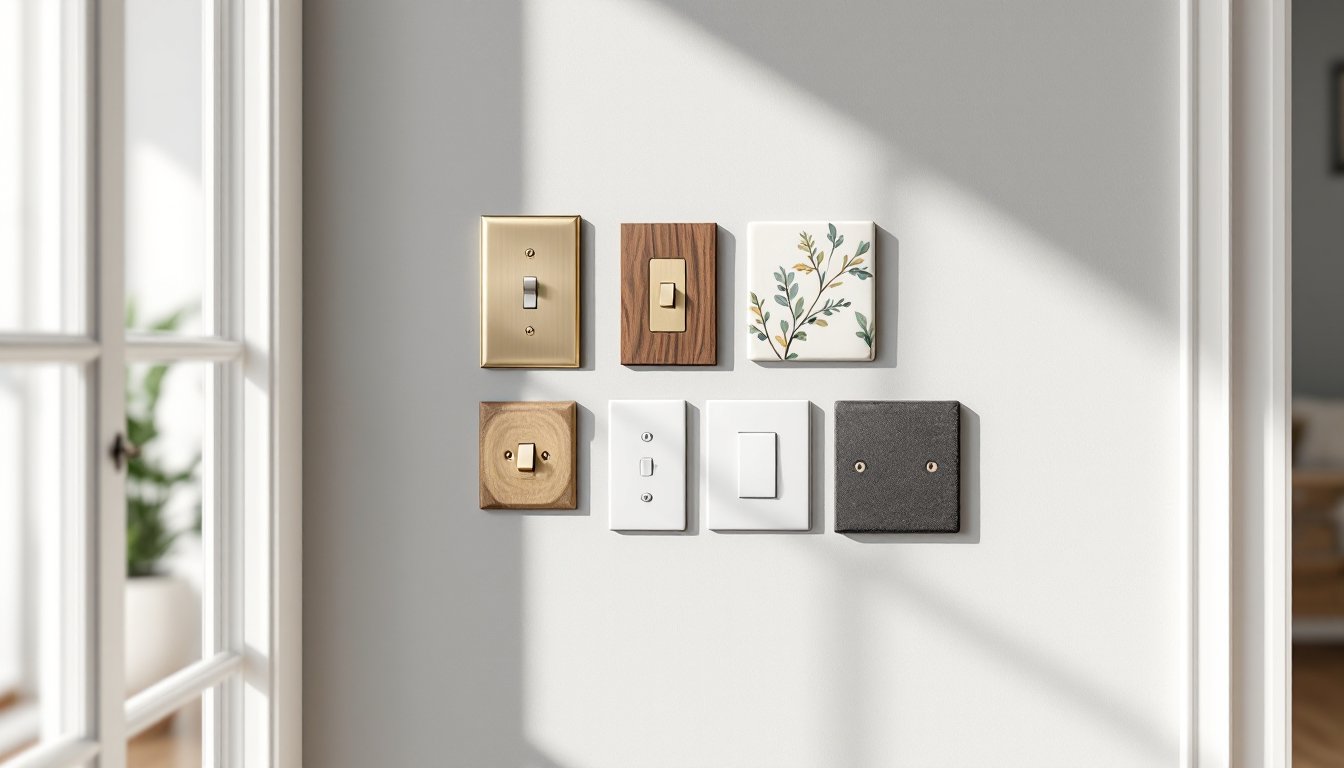

Most homeowners overlook the small details that tie a room together, until they notice a dingy plastic switch plate interrupting an otherwise polished paint job. Wall plates (also called switch plates or outlet covers) are functional necessities, but they’re also one of the easiest, cheapest ways to add personality and polish to any space. Swapping out builder-grade plastic for something intentional takes five minutes and costs less than a gallon of paint, yet the visual impact rivals much bigger upgrades. Whether someone’s finishing a renovation, staging a home for sale, or just tired of looking at beige rectangles on every wall, upgrading wall plates is a simple weekend win that doesn’t require permits, special tools, or a second pair of hands.
Key Takeaways
- Wall plates decor is an affordable and quick way to upgrade a room’s aesthetic—taking just five minutes and costing less than a gallon of paint while rivaling much larger renovations.
- Material selection matters: choose metal and glass for high-moisture kitchens and bathrooms, wood for warmth in living spaces, and ceramic or patterned options to add personality to accent areas.
- Upgrading wall plates serves dual purposes by combining design impact with functional improvements like enhanced durability and safety, replacing old cracked plates that expose wiring.
- Coordinate wall plate finishes intentionally with existing hardware like faucets, cabinet pulls, and hinges to create visual cohesion, whether matching or contrasting for intentional design.
- Installation is simple and risk-free by turning off power at the breaker, checking device alignment, and tightening gently to avoid cracking delicate materials like ceramic and glass.
- Buy extra wall plates as backups so you can quickly replace worn, painted-over, or outdated options without searching for discontinued finishes.
Why Wall Plates Matter More Than You Think
Walk into a room with fresh paint, new flooring, and carefully chosen furniture, then spot a yellowed plastic switch plate with paint drips crusted around the edges. That single detail can drag down the entire aesthetic. Wall plates sit at eye level and at transition points (entryways, beside furniture, near mirrors), so they’re noticed more than people realize.
From a design standpoint, wall plates offer a low-risk opportunity to reinforce a room’s style. A brushed nickel plate echoes modern fixtures. A ceramic plate hand-painted with botanical motifs plays into cottage or farmhouse themes. Even something as simple as matching the plate finish to door hardware creates visual cohesion that feels intentional.
Functionally, upgrading wall plates also means upgrading safety and durability. Older plates can crack, exposing wiring. Cheap plastic warps over time or discolors from UV exposure. Higher-quality materials resist wear, especially in high-traffic areas like kitchens and hallways where plates get touched constantly. Replacing them isn’t just cosmetic, it’s maintenance.
Popular Wall Plate Materials and Finishes
Wall plate materials range from budget-friendly plastic to hand-forged metal, each with trade-offs in durability, cost, and aesthetic flexibility.
Plastic and nylon plates are the default in most homes. They’re inexpensive (often under $1 per plate), available in every configuration, and easy to paint if someone wants a perfect color match. The downside: they scratch easily, yellow over time, and look exactly like what they are, basic builder stock. For rentals or temporary spaces, they’re fine. For a finished room, they’re a missed opportunity.
Wood plates bring warmth and texture. Unfinished wood can be stained or painted to match trim, while sealed hardwoods like walnut or cherry add richness to craftsman or mid-century interiors. Wood requires periodic care, wipe with a damp cloth, never soak, and isn’t ideal near sinks or in bathrooms where moisture is constant.
Glass and ceramic plates work well in kitchens, bathrooms, and accent walls. Tempered glass options come in clear, frosted, or mirrored finishes and wipe clean easily. Hand-painted ceramic plates add artisan detail but can chip if handled roughly during installation. Both materials are heavier than plastic, so screws need to be snug without overtightening, which can crack the plate.
Composite and resin plates mimic stone, concrete, or plaster textures. They’re lighter and cheaper than genuine stone but deliver a high-end look. These work especially well in modern or minimalist spaces where texture matters more than shine.
Metal Wall Plates for Modern and Industrial Spaces
Metal plates dominate contemporary and industrial design for good reason, they’re durable, easy to clean, and available in finishes that coordinate with plumbing fixtures, cabinet pulls, and lighting.
Stainless steel is the workhorse. It resists corrosion, hides fingerprints (especially in brushed finishes), and suits kitchens, bathrooms, and commercial-style spaces. Standard wall plates are stamped from thin-gauge steel: heavy-duty commercial-grade plates are thicker and stand up to repeated impacts in high-traffic areas.
Brass plates come in unlacquered (which develops a patina over time) or lacquered finishes (polished, satin, or antique). Unlacquered brass is popular in vintage, eclectic, and maximalist interiors where the aging process is part of the appeal. Lacquered brass stays shiny but can wear at edges if cleaned with abrasive products.
Bronze, copper, and aged finishes bring warmth to rustic, industrial, and transitional spaces. Oil-rubbed bronze pairs with matte black fixtures: hammered copper adds artisan detail. Both patina naturally, so expect color shifts over time, it’s a feature, not a flaw.
Aluminum and chrome deliver high shine and clean lines. Chrome works in bathrooms with chrome faucets and towel bars. Brushed or anodized aluminum is lighter and less expensive than stainless but still coordinates with modern hardware.
Metal plates are heavier than plastic, so they may require longer screws than the ones included with standard switches and outlets. Keep a small assortment of 6-32 machine screws (the standard thread size for electrical devices) in ½-inch and ¾-inch lengths.
Decorative and Custom Wall Plate Options
Beyond material and finish, decorative wall plates offer ways to add pattern, color, and personality, especially in spaces where bold choices feel risky on larger surfaces.
Patterned and printed plates range from subtle (geometric line work, faux marble) to loud (florals, animals, pop culture references). They work best as accents, one or two in a powder room, mudroom, or kid’s bedroom, rather than throughout an entire home. Resin and UV-printed plates hold up better than paper decoupage or vinyl wraps, which can peel over time.
Textured and relief plates add dimension without color. Embossed scrollwork, beadboard texture, or Art Deco stepped designs create subtle visual interest that catches light. These suit traditional, vintage, and eclectic interiors where ornamentation is already present in trim, tile, or furniture.
Custom and DIY plates give homeowners complete control. Blank wood, acrylic, or metal plates can be painted, stained, stenciled, or wrapped in fabric or wallpaper scraps. For a cohesive look, some people cut plates from leftover tile, mirror, or even cork. Just ensure the material is non-conductive and won’t interfere with the device’s function. Always turn off power at the breaker before working with any electrical component.
Oversized and undersized plates are problem-solvers. Jumbo plates (often 6 inches tall instead of the standard 4½ inches) cover old paint lines or patching work when a switch box has been moved. Narrow plates fit tight spaces beside door casings or within tile layouts where a standard plate would overhang grout lines.
How to Choose the Right Wall Plates for Your Home
Start by identifying the device configuration. Single toggle, duplex outlet, combination switch/outlet, dimmer, rocker, GFCI, and USB outlets all require specific plate cutouts. Buying the wrong configuration means a return trip to the hardware store.
Next, consider room function and finish durability. Kitchens and bathrooms benefit from wipeable, non-porous materials like metal, glass, or sealed ceramic. Hallways and kids’ rooms see heavy contact, metal or thick nylon holds up better than thin plastic. Living rooms and bedrooms allow for more decorative choices since wear is lighter.
Match or contrast intentionally. Matching wall plates to outlet and switch color (white plates on white devices, ivory on ivory) creates a seamless look. Contrasting the plate finish with the wall color (dark bronze plates on light walls, white ceramic on navy) makes the hardware a design feature rather than something to hide. There’s no wrong answer, but the choice should be deliberate.
Coordinate with existing hardware. If door hinges, cabinet pulls, and faucets are all brushed nickel, brushed nickel plates tie the room together. Mixing metals can work, oil-rubbed bronze plates with matte black pulls, for example, but it requires a consistent undertone (warm or cool) to avoid a haphazard look.
Finally, buy a few extras. Wall plates crack, get painted over, or look dingy after a few years. Having backups on hand means quick replacements without hunting for a discontinued finish.
Installation Tips and Creative Placement Ideas
Swapping wall plates is a beginner-friendly task, but a few details make the difference between a clean install and a crooked one.
Turn off power at the breaker before removing any plate, even if you’re not touching the wiring. It’s a two-second step that eliminates risk.
Remove the old plate by unscrewing the center screw (or screws, depending on configuration). If paint has sealed the edges, score around the perimeter with a utility knife to avoid pulling paint off the wall.
Check device alignment. If the switch or outlet itself is crooked, loosen the mounting screws inside the box, straighten the device using a small level, then retighten. A straight device makes it much easier to install the plate evenly.
Install the new plate by aligning it over the device and threading the screw(s) through the center hole(s). Tighten gently, overtightening cracks ceramic, glass, and thin metal. The plate should sit flush and stable without torquing the device.
Use spacers or shims if the wall surface is uneven (common with textured walls, tile, or thick wallpaper). Plastic outlet spacers slip behind the device and bring it forward so the plate sits flat.
Creatively, wall plates can do more than cover switches. In open-plan spaces, consistent plate finishes create visual flow across zones. In galleries or feature walls, decorative plates become part of the composition, think hand-painted ceramic plates flanking framed art in a bathroom, or mirrored plates reflecting light in a narrow hallway.
Some homeowners paint plates to match walls for a disappearing effect, especially in kids’ rooms with bold accent colors. Use a small foam roller, light coats, and let each coat dry fully. Painter’s tape over the device cutout keeps paint off internal components.
Conclusion
Wall plate decor proves that good design lives in the details. Swapping out basic plastic for materials and finishes that suit the space takes minutes, costs little, and delivers immediate visual payoff. Whether matching metal plates to modern fixtures or choosing decorative options that add personality, upgrading wall plates is one of the simplest ways to make a home look intentional and cared for, no permits or power tools required.