
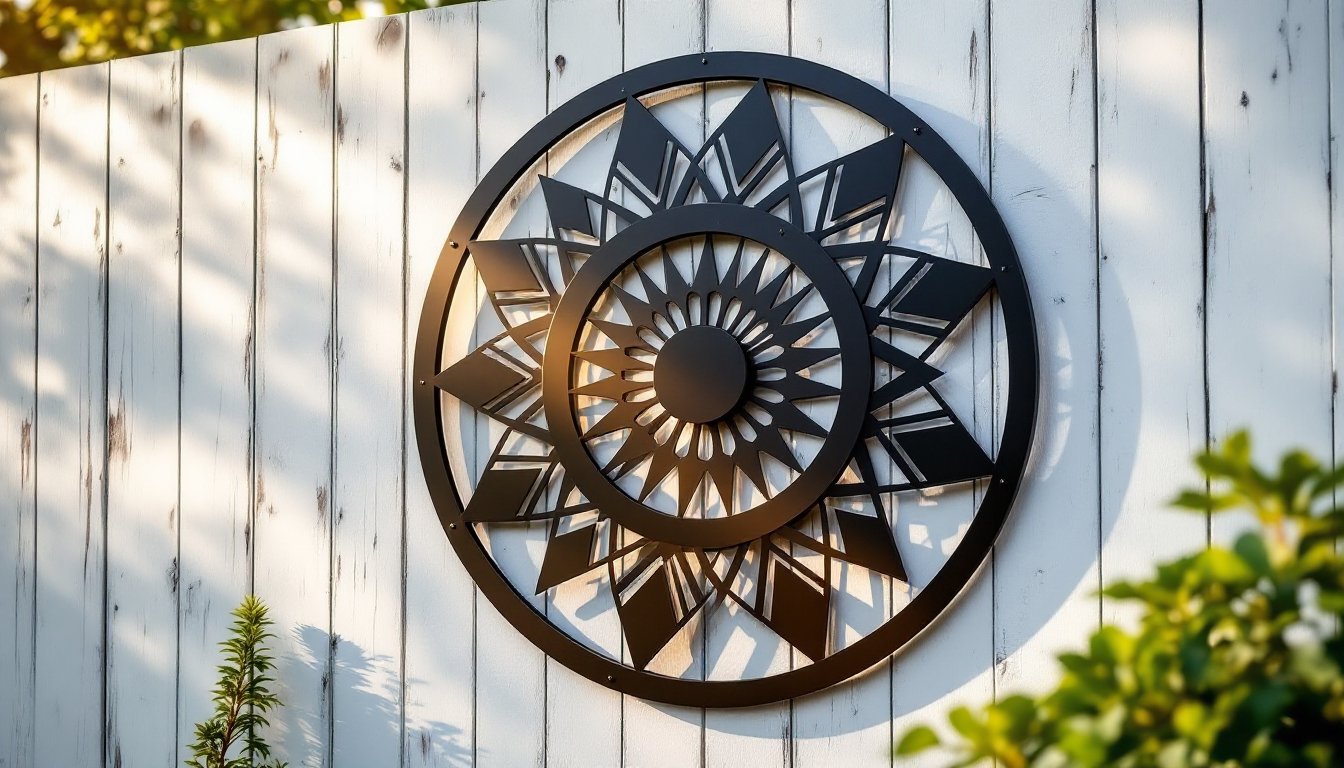

Metal outdoor wall decor has become a go-to solution for homeowners looking to add visual interest to bland exterior walls, fences, and garden spaces. Unlike fabric banners or wooden signs that deteriorate after a season or two, metal art holds up against rain, UV exposure, and temperature swings without constant upkeep. It works equally well on stucco siding, brick facades, vinyl, and privacy fences. The growing range of styles, from minimalist geometric panels to intricate nature scenes, means there’s a piece for every aesthetic, whether someone’s working with a modern farmhouse look or a desert-inspired courtyard.
Key Takeaways
- Outdoor wall decor metal outperforms other materials with superior rust resistance, UV stability, and durability against rain, temperature swings, and seasonal exposure without frequent maintenance.
- Material selection is critical: aluminum offers lightweight rust resistance, powder-coated steel provides strength for intricate designs, and stainless steel works best for high-moisture coastal areas.
- Proper installation requires matching fasteners to wall type (wood screws for siding, masonry anchors for brick/stucco, special hooks for vinyl), locating studs, and using at least two mounting points to handle wind load.
- Eye-level placement at 57-60 inches from ground, strategic grouping of smaller pieces in odd numbers, and visual balance prevent cramped-looking installations and maximize impact.
- Quarterly cleaning and annual inspections of powder coats, hardware, and mounting points keep metal wall art looking intentional; touch up exposed metal immediately with rust-inhibiting primer and paint to prevent deterioration.
Why Metal Is the Ultimate Choice for Outdoor Wall Art
Metal outperforms most other materials in exterior conditions. Powder-coated steel and aluminum alloys resist rust far better than untreated iron or wood alternatives. A quality powder coat adds a durable polymer layer that bonds at high temperatures, creating a finish that won’t chip like standard paint.
Weight distribution matters for outdoor installations. Metal pieces typically include pre-drilled mounting holes or integrated hanging brackets, making wall attachment straightforward with the right fasteners. Unlike heavy ceramic or concrete art, metal offers strength without excessive load, important when mounting to hollow-core fence boards or lap siding.
Temperature tolerance is another advantage. Metal expands and contracts predictably with seasonal changes, unlike resin that can crack in freeze-thaw cycles or wood that warps with moisture fluctuations. A properly installed metal piece secured with appropriate hardware won’t shift or sag over years of exposure.
Metal also handles sun exposure better than printed canvas or painted wood. UV-stable powder coats maintain color saturation for years without the fading common in fabric or untreated surfaces. For south- and west-facing walls that take the brunt of afternoon sun, this durability keeps the installation looking intentional rather than weathered.
Popular Types of Metal Outdoor Wall Decor
Sculptural Metal Art and Abstract Designs
Three-dimensional metal sculptures add depth to flat exterior surfaces. Laser-cut steel panels create shadow play throughout the day as sunlight shifts angles, turning a static piece into something that changes with the hours. These work particularly well on large blank walls where a single bold statement beats a cluster of smaller items.
Abstract geometric designs, overlapping circles, angular lines, mid-century sunburst patterns, suit modern and contemporary home styles. The key is scale: a 36-inch square piece works on a standard fence section, while expansive walls need 48 inches or larger to avoid looking undersized. Powder-coated finishes in matte black, bronze, or metallic copper complement most exterior palettes without clashing with trim or landscaping.
Layered metal art creates visual interest through stacked or offset panels. Some designs incorporate patina finishes or mixed metals (copper accents on steel bases) for a handcrafted look. These pieces often include spacers that hold the sculpture several inches off the wall, enhancing the three-dimensional effect.
Nature-Inspired Metal Wall Hangings
Botanical and wildlife themes remain popular for outdoor spaces. Metal palm fronds, olive branches, and fern silhouettes echo landscaping elements without requiring water or maintenance. Dragonflies, hummingbirds, and gecko designs bring movement to static surfaces.
Tree-of-life motifs work across multiple design styles, farmhouse, rustic, and even transitional spaces. The best versions use hand-welded construction rather than stamped tin, offering better detail and structural integrity. Look for pieces with dimensional leaves or branches that extend beyond the main frame.
For coastal or lakefront properties, nautical themes, anchors, sailboats, compass roses, tie decor to the setting. These often come in galvanized steel or aluminum with marine-grade coatings designed for high-humidity and salt-air environments. Standard powder coats may not hold up in these conditions: verify the finish is rated for coastal use before purchasing.
Choosing the Right Metal Material for Longevity
Material selection determines how long the piece survives outdoor conditions. Aluminum offers the best rust resistance and weighs roughly one-third as much as steel, reducing strain on mounting points. It’s ideal for fence installations or areas with weight limits. The tradeoff: aluminum dents more easily than steel if hit by lawn equipment or during storage.
Powder-coated steel provides superior strength and takes detail better than aluminum, making it the choice for intricate cutout designs. The powder coat must be intact, any chips that expose bare metal will rust. Inspect welds and edges where coating may be thinner.
Corten steel (weathering steel) develops a stable rust-like patina that actually protects the underlying metal. It’s popular for industrial or modern aesthetics but will stain surfaces below it as it weathers. Use this material only where rust runoff won’t damage siding or decking. The patina takes 3-6 months to fully develop depending on climate.
Stainless steel resists corrosion without coatings, but costs significantly more. It’s practical for high-moisture areas like pool walls or near outdoor kitchens where spray and splashing occur frequently. Grade 304 stainless handles most residential environments: coastal areas should use Grade 316 for added chloride resistance.
Avoid untreated wrought iron or mild steel unless planning to maintain it with annual rustproofing. These materials require regular cleaning and protective coating reapplication, manageable for dedicated DIYers but a poor fit for low-maintenance installations.
Installation and Placement Tips for Maximum Impact
Wall composition dictates fastener choice. For wood siding or fences, use stainless steel or coated deck screws long enough to penetrate at least 1½ inches into solid material. Locate studs or fence rails with a stud finder: fastening only into thin siding will fail under wind load or the weight of the piece.
Brick and stucco require masonry anchors. Drill pilot holes with a hammer drill and carbide-tipped bit sized to the anchor diameter. Tap anchors flush with the surface, then drive screws through the decor’s mounting holes. For stucco, avoid overtightening, the brittle finish can crack around the fastener.
Vinyl siding installations need special consideration. Never screw directly through vinyl: it expands and contracts too much. Instead, use siding hooks designed to slip under the panel’s locking edge, or mount the piece to the sheathing behind the siding by carefully removing and reinstalling a section of vinyl.
Placement guidelines:
- Hang pieces at eye level or slightly above, typically 57-60 inches from the ground to the center of the piece
- Leave at least 6-8 inches clearance between the decor and roof eaves, gates, or windows to avoid a cramped look
- Group smaller pieces in odd numbers (3 or 5) for visual balance, or commit to a single large focal piece
- Consider sight lines: place art where it’s visible from seating areas, pathways, or through windows
Wind exposure matters. Large pieces with significant surface area can catch wind like a sail. Use a minimum of two mounting points for pieces under 24 inches, three or more for larger installations. In high-wind areas (coastal regions, plains, or elevated locations), add extra fasteners or choose designs with open cutwork that allows air to pass through.
Test placement before drilling. Use painter’s tape to mark mounting hole positions and step back to verify height and spacing. It’s easier to adjust tape than to patch misplaced holes in siding or stucco.
Maintenance Essentials to Keep Your Metal Decor Looking New
Most metal outdoor decor needs minimal upkeep, but neglect will shorten its lifespan. Quarterly cleaning prevents buildup that traps moisture against the finish. Spray pieces down with a garden hose to remove dust, pollen, and cobwebs. For stubborn grime, use mild dish soap and a soft brush, avoid abrasive pads that scratch protective coatings.
Inspect the powder coat annually for chips or scratches that expose bare metal. Touch these up promptly with matching spray paint formulated for metal (look for rust-inhibiting primers). Clean the damaged area, apply primer if bare metal is showing, then top-coat. Small touch-ups prevent rust from spreading under the coating.
Check mounting hardware yearly, especially after storms. Tighten any loosened screws and verify that anchors remain secure in masonry. Replace rusted fasteners with stainless steel versions. If the piece has shifted or tilted, the mounting point may be failing, this is common with hollow-wall anchors in stucco that gradually pull free.
For pieces in high-humidity or coastal areas, apply a thin coat of automotive wax twice a year. This adds an extra moisture barrier and makes cleaning easier. Avoid waxing corten steel or other intentionally rusted finishes.
Winter prep in freeze-prone climates: Remove pieces that aren’t rated for extreme temperatures or store lightweight items in a shed or garage. If leaving them up, brush off snow accumulation to prevent ice from forming in crevices where it can trap moisture and cause corrosion.
When metal decor reaches the end of its life, extensive rust, broken welds, finish failure, recycle it properly. Most scrap metal yards accept clean steel and aluminum. Don’t toss coated metals in regular trash: the powder coating contains polymers that shouldn’t go to landfills.