
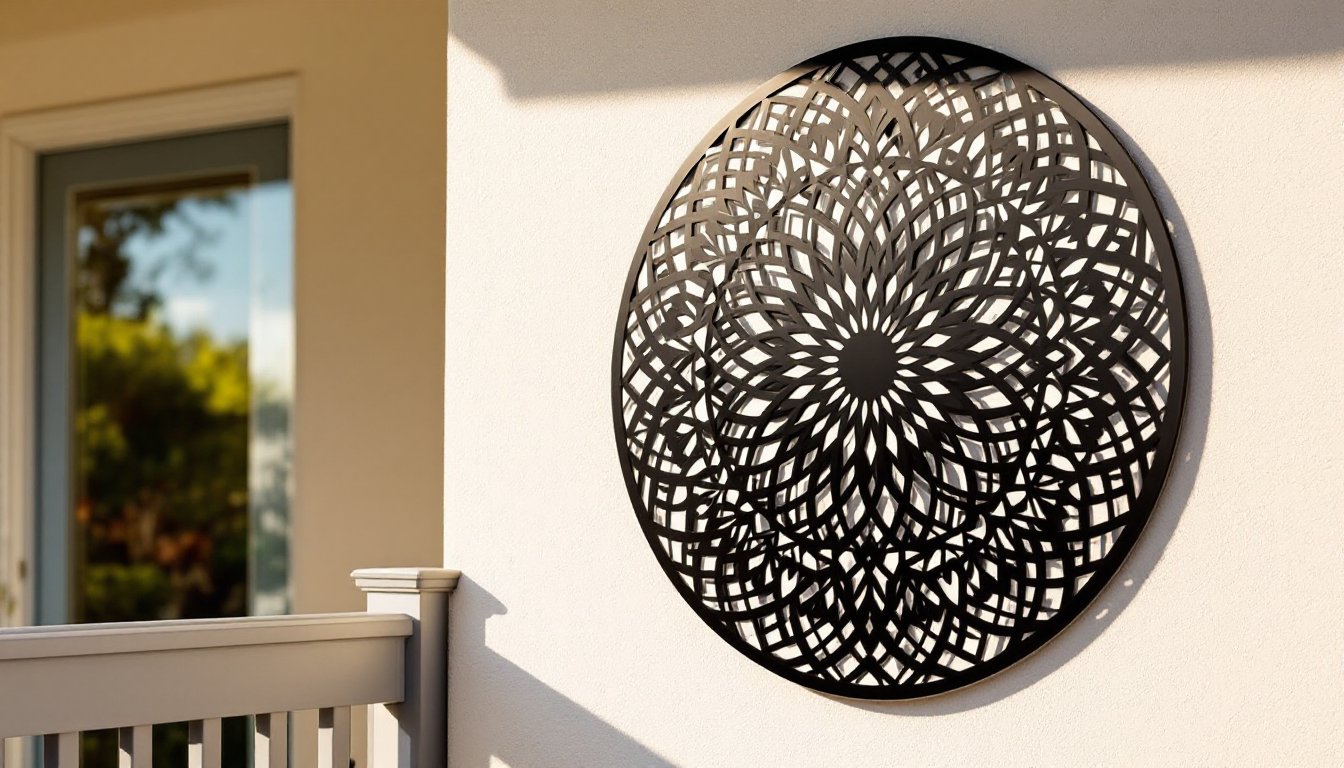

Blank exterior walls on porches, patios, and garden fences are missed opportunities. Metal outdoor wall decor turns those flat, forgotten surfaces into focal points without the upkeep headaches of wood, fabric, or painted canvas. Unlike materials that warp, fade, or rot after a season in the elements, properly finished metal holds up to UV exposure, temperature swings, and moisture year after year. Whether someone’s aiming for a modern geometric statement piece or a rustic windmill silhouette, metal brings durability and visual weight that lighter materials can’t match. This guide covers material choices, style considerations, sizing strategies, and installation methods that keep decor secure and looking sharp through wind, rain, and sun.
Key Takeaways
- Metal outdoor wall decor resists moisture infiltration and UV degradation far better than wood, resin, or canvas, maintaining durability through freeze-thaw cycles and extreme temperatures year after year.
- Proper gauge selection matters: heavier 14–16 gauge steel works best for wind-exposed coastal and hilltop locations, while lighter 18–20 gauge pieces suffice for sheltered porches and covered patios.
- Scale your metal wall decor to match viewing distance and wall size—use painter’s tape to outline 36–48 inches minimum for large surfaces visible from 10–15 feet away.
- Stainless steel or galvanized fasteners, pre-drilled pilot holes, and backing plates prevent rust streaks and weight damage when installing metal outdoor wall decor on masonry or siding.
- Powder-coated finishes provide superior durability in direct sun, while sealed rust finishes require 2–3 year re-sealing in wet climates to maintain their intentional patina effect.
- Twice-yearly rinsing and hardware inspections keep your metal outdoor wall decor secure and attractive, with minimal maintenance compared to wood, fabric, or painted alternatives.
Why Metal Is the Superior Choice for Outdoor Wall Art
Metal outdoor wall decor outlasts wood, resin, and canvas because it resists the two biggest threats to exterior ornaments: moisture infiltration and UV degradation. Powder-coated steel and aluminum don’t absorb water, so there’s no swelling, splitting, or delamination. Galvanized or stainless steel adds corrosion resistance in coastal or high-humidity climates where salt spray and constant moisture would destroy untreated materials in months.
Weight matters for exterior installations. Metal pieces stay put in wind that would rip lightweight resin off the wall. A 16-gauge steel sun face weighs enough to resist gusts without needing constant tightening of hardware. Thinner metals (20-gauge and up) work for sheltered spots like covered porches but may vibrate or bend in exposed locations.
Finish durability separates quality metal decor from junk. Powder coating, a baked-on finish, bonds at the molecular level and resists chipping better than spray paint. Look for pieces rated for direct sun exposure: cheap painted metal fades to pastel within one season. Rust finishes (often called “weathered” or “Cor-Ten style”) are deliberate surface oxidation sealed to prevent further corrosion. They add texture but aren’t true Cor-Ten steel, which is a specific alloy.
Metal also tolerates temperature extremes. In regions with freeze-thaw cycles, moisture trapped in porous materials expands and causes cracking. Solid metal expands and contracts uniformly without structural damage. This makes it ideal for year-round installations in northern climates where seasonal decor swaps aren’t practical.
Popular Styles of Metal Outdoor Wall Decor
Modern and Abstract Metal Designs
Geometric patterns, laser-cut silhouettes, and minimalist line work define modern metal wall art. Laser cutting creates intricate negative space designs, think stylized trees, cityscapes, or topographic maps, that cast dramatic shadows when backlit or hit by angled sun. These pieces work well on flat, clean surfaces like stucco, fiber cement siding, or painted brick.
Dimensional metal art uses layered sheets at different depths to add texture without bulk. Multi-plane sunbursts, abstract waves, or stacked geometric forms create visual interest from multiple viewing angles. Brushed or polished finishes in silver, bronze, or matte black complement contemporary architecture.
Oversized single-panel designs make statements on large blank walls. A 48-inch circular mandala or a 60-inch horizontal wave pattern fills space without clutter. For modern installs, keep the profile low (under 2 inches of projection) to maintain clean lines.
Rustic and Farmhouse Metal Wall Art
Distressed finishes, nature motifs, and vintage industrial shapes anchor rustic metal decor. Galvanized steel windmills, barn stars, and farm animal silhouettes reference agricultural heritage. Manufacturers often add artificial rust patina or verdigris (blue-green copper oxidation) for aged character.
Wrought iron scrollwork mimics hand-forged details, curved vines, fleur-de-lis, or gate-style grilles, that pair with stone, reclaimed wood, or log siding. True wrought iron (low-carbon iron with slag inclusions) is rare and expensive: most “wrought iron” decor is mild steel with hammered or twisted textures.
Mixed-material pieces combining metal with reclaimed wood slats or rope add warmth. A metal arrow frame filled with weathered barn wood, or a steel anchor wrapped with nautical rope, bridges the gap between raw industrial and cozy farmhouse. Mount these on shiplap, board-and-batten, or rough-cut cedar for cohesive style.
How to Choose the Right Metal Wall Decor for Your Space
Scale to the wall and viewing distance. A 24-inch piece gets lost on a 12-foot fence or garage wall: step up to 36–48 inches minimum for large surfaces. Conversely, a 5-foot sculpture overwhelms a narrow porch column. Stand at the typical viewing distance (usually 10–15 feet for patios) and use painter’s tape to outline the proposed size. If it feels small from that distance, go bigger.
Match the architectural style to avoid visual clashes. Mid-century modern homes pair with atomic starbursts or Sputnik designs. Craftsman bungalows suit geometric prairie-style grids or nature motifs. Mediterranean or Spanish Revival calls for wrought-iron scrolls or sun faces. When in doubt, abstract geometric designs are style-neutral.
Consider the backdrop material. Smooth stucco shows off intricate laser-cut details. Rough stone or brick benefits from simpler silhouettes with bold outlines that don’t get lost in texture. On vinyl or aluminum siding, distribute weight with backing plates to avoid dimpling. Dark metal pops against light walls: light or reflective finishes stand out on dark surfaces.
Wind exposure affects material gauge. Coastal and hilltop locations need heavier-gauge metal (14–16 gauge steel) and through-bolted mounting. Sheltered courtyards and covered porches tolerate lighter 18–20 gauge pieces with keyhole hangers. If the site gets sustained winds over 25 mph, avoid pieces with large flat panels that act as sails.
Color and finish durability varies by environment. Powder-coated finishes hold up best in full sun. Raw or unsealed metals develop natural patina, appealing in dry climates but potentially messy (rust stains) on light-colored siding in wet regions. Sealed rust finishes stop oxidation at the desired stage. Check manufacturer specs for UV and saltwater resistance if applicable.
Installation and Maintenance Tips for Longevity
Mounting hardware makes or breaks durability. Use stainless steel or galvanized screws and anchors to prevent rust streaks. For masonry (brick, concrete, stucco), use tapcon screws or sleeve anchors rated for exterior use. Pre-drill pilot holes to avoid cracking. On wood siding or trim, drive screws into solid framing or studs, not just sheathing, especially for pieces over 10 pounds. A stud finder prevents wasted holes and ensures secure attachment.
Spacing and backing plates distribute weight and protect siding. For vinyl or thin metal siding, place a wood or PVC backing block behind the screw location to prevent dimpling. This also creates standoff space for airflow, reducing moisture traps that cause hidden rot.
Leveling matters more with asymmetrical designs. Use a laser level or 4-foot bubble level to mark mounting points. For multi-point hangers, measure diagonally to confirm square positioning before drilling. Slightly off-level geometric or horizon-line pieces are glaringly obvious.
Safety note: Wear safety glasses when drilling masonry or metal: chips fly unpredictably. Use hearing protection with hammer drills on concrete.
Seasonal maintenance is minimal but important. Twice a year, rinse pieces with a garden hose to remove dust, pollen, and salt residue. Use a soft brush on textured finishes. Inspect mounting hardware for looseness or corrosion: replace any rusted screws immediately. Touch up scratched powder coating with matching spray paint to prevent rust from starting. Unsealed rust finishes may need re-sealing every 2–3 years in wet climates: follow manufacturer guidance.
Remove decor before hurricanes or severe storms if it’s not through-bolted. Wind-driven pieces become projectiles. For permanent installations in storm-prone areas, use lag bolts into framing rather than surface-mount hardware.
Conclusion
Metal outdoor wall decor delivers lasting visual impact with far less maintenance than wood, fabric, or painted alternatives. Choosing the right gauge, finish, and mounting method for the specific exposure and architecture ensures the piece stays secure and attractive through seasons of weather. Proper installation into solid backing and twice-yearly cleaning keeps hardware tight and finishes intact, turning exterior walls into durable design features.