
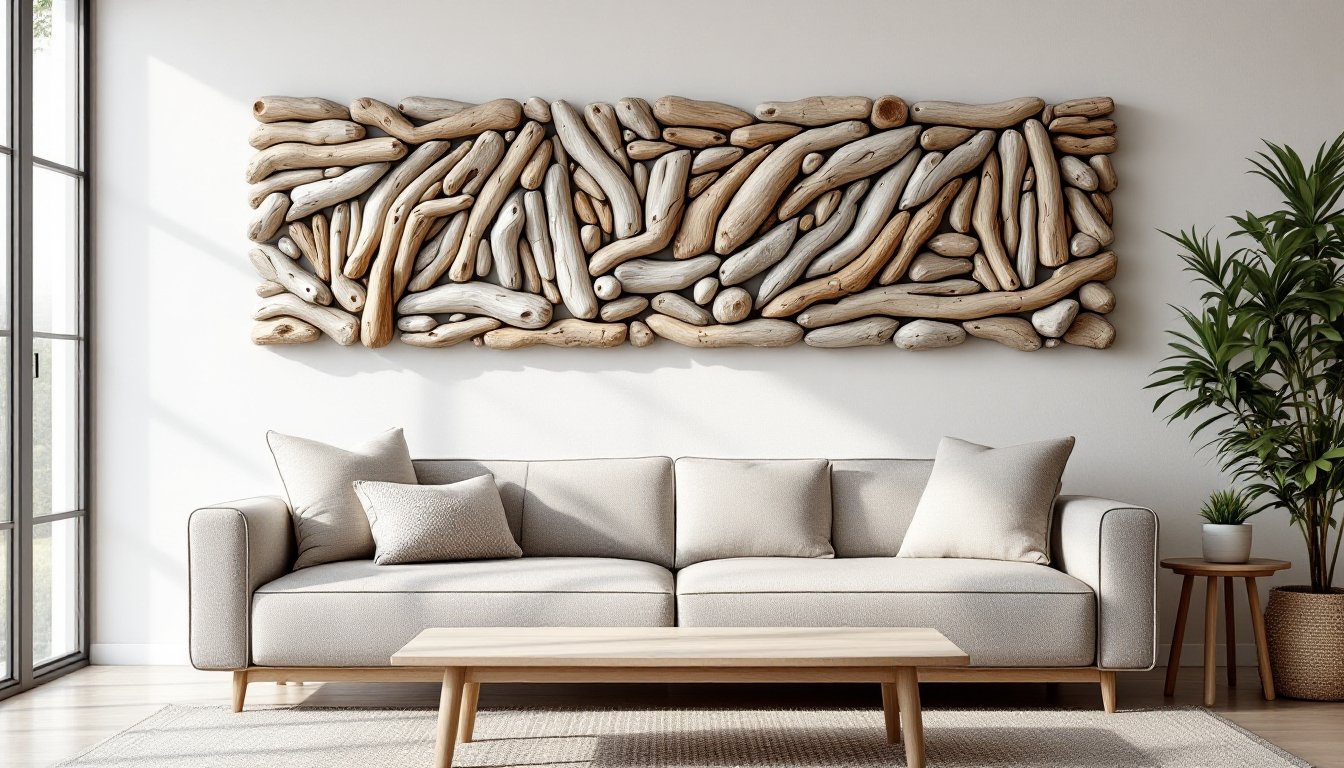

Driftwood wall decor brings natural texture and organic beauty into any room without the expected coastal clichés. Whether someone’s working with weathered barn-gray pieces or sun-bleached white wood, driftwood offers a raw, sculptural quality that pairs surprisingly well with modern minimalism, rustic farmhouse, and even industrial interiors. In 2026, homeowners are moving beyond generic nautical themes and using driftwood as statement art, functional frames, and architectural accents. The best part? Many pieces can be sourced, cleaned, and mounted as DIY projects with basic tools and a little creativity. This guide covers everything from selecting the right wood to installation techniques that won’t damage walls or the driftwood itself.
Key Takeaways
- Driftwood wall decor offers unique, lightweight natural texture that works seamlessly with modern, rustic, and industrial design styles without relying on nautical clichés.
- Proper selection is essential—choose driftwood based on source (saltwater vs. freshwater), structural integrity, and color consistency, then clean and sanitize before installation to prevent insect damage.
- DIY driftwood wall decor projects like horizontal plank installations or wall grids require minimal tools and allow creative control, with construction adhesive and finish nails providing secure mounting on plywood backers.
- Strategic placement at eye level (57-60 inches) on primary focal walls in living rooms, above bedroom headboards, or in bathrooms maximizes visual impact and keeps decor from feeling cluttered.
- Driftwood’s neutral gray and tan palette bridges color schemes and ages gracefully indoors without warping, making it an ideal low-maintenance alternative to painted or stained wood finishes.
- Directional lighting at a 30-degree angle enhances driftwood’s sculptural qualities by casting shadows that highlight knots and weathered surfaces for dramatic dimensional effect.
Why Driftwood Wall Decor Is Perfect for Modern Interiors
Driftwood has earned its place in contemporary design for reasons beyond aesthetics. Each piece is genuinely unique, shaped by water, weathered by UV exposure, and smoothed over months or years. That means no two installations look identical, even when following the same design plan.
From a practical standpoint, driftwood is lightweight compared to solid hardwood or metal wall art, which makes mounting easier and reduces stress on drywall anchors. Most pieces weigh between 1-5 pounds per linear foot, depending on density and size. This allows for creative arrangements without engineering a heavy-duty hanging system.
The neutral color palette, ranging from silvery gray to warm tan, works as a bridge between color schemes. It softens stark white walls, adds warmth to cool grays, and provides textural contrast against smooth plaster or shiplap. Unlike painted or stained wood, driftwood doesn’t require finishing, which saves time and avoids off-gassing concerns from VOC-heavy sealers.
Another advantage: driftwood ages gracefully indoors. It won’t warp or check like kiln-dried lumber might in fluctuating humidity, because it’s already been naturally seasoned. Just keep it out of direct sunlight if preserving the current color tone matters, as UV exposure will continue to bleach it over time.
Popular Driftwood Wall Decor Styles to Consider
Choosing a style depends on the room’s function, wall size, and existing design language. Here are the most versatile approaches gaining traction in 2026.
Driftwood Wall Art and Sculptures
Drift wood wall decor in sculptural form works as a focal point above sofas, beds, or dining tables. Common configurations include:
- Horizontal assemblies: Multiple driftwood branches or planks mounted in parallel or staggered rows. These work well above horizontal furniture and can span 4-8 feet for dramatic impact.
- Sunburst or radial designs: Smaller sticks arranged around a central point, mimicking mid-century starburst clocks. Effective in entryways or above mantels.
- 3D relief pieces: Thicker, gnarled roots or burls mounted on a backing board to create depth. These cast interesting shadows when hit with directional lighting.
For abstract installations, aim for odd numbers of pieces (3, 5, 7) to avoid a too-symmetrical look. Leave 2-3 inches of visual breathing room between the art and adjacent walls or furniture to prevent a cramped feel.
Driftwood Mirrors and Frames
Framing a mirror with driftwood transforms a functional item into a statement piece. The organic edges contrast beautifully with the clean geometry of glass.
Two common build styles:
- Perimeter frame: Driftwood pieces arranged around all four sides of a rectangular or round mirror, secured to a plywood backer with construction adhesive and finish nails.
- Asymmetric wreath: Driftwood layered in a loose circle or arc around one side of the mirror, leaving portions of the glass edge exposed.
When building or buying a driftwood mirror, check the mounting hardware weight rating. A 24-inch round mirror with a substantial driftwood frame can weigh 15-20 pounds. Use two D-rings with braided picture wire rated for at least 30 pounds, and anchor into studs or use toggle bolts rated for the load.
Driftwood frames also work around artwork, chalkboards, or even flat-screen TVs (though ensure adequate ventilation clearance per the manufacturer’s specs). The irregular edges help disguise the hard rectangle of modern electronics.
How to Choose the Right Driftwood Pieces for Your Wall
Not all driftwood is created equal, and selection directly impacts both aesthetics and installation ease.
Source matters. Freshwater driftwood from rivers and lakes tends to be softer woods like pine or cottonwood, lightweight but prone to insect activity if not properly cleaned. Saltwater driftwood is often denser hardwood, pre-treated by brine to resist pests. If collecting personally, check local regulations: many coastal and state park areas prohibit removal.
Inspect for structural integrity. Avoid pieces with active rot (spongy texture, dark wet spots) or deep splits that run the full length. Small cracks and weathering are fine, they add character, but compromised wood won’t hold fasteners and may crumble during installation.
Consider diameter and shape relative to wall space. For a 10-foot wall, pieces ranging from 1-3 inches in diameter create visual interest without overwhelming the space. Thicker driftwood logs (4-6 inches) work better as standalone statement pieces or in larger commercial spaces.
Color consistency. If building a unified piece, try to source from the same location and weather exposure. Mixing bright white beach wood with dark river wood can look intentional or disjointed, depends on the design.
Before bringing driftwood indoors, clean and sanitize it. Scrub off loose debris with a stiff brush, then wipe down with a 1:10 bleach solution or bake smaller pieces at 200°F for 2 hours to kill insects and larvae. Let it air dry completely (48-72 hours) before mounting.
DIY Driftwood Wall Decor Projects You Can Try at Home
Creating custom driftwood decor requires minimal tools and allows full creative control. Here are two approachable projects.
Project 1: Horizontal Driftwood Plank Installation
Materials:
- 5-7 driftwood branches, 24-36 inches long, 1-2 inches diameter
- ¾-inch plywood backer (cut to desired finished size, e.g., 30″ x 18″)
- Construction adhesive (PL Premium or equivalent)
- 1¼-inch finish nails or brad nails
- Picture hanging wire and D-rings
- Sandpaper (120-grit)
Steps:
- Lay out driftwood on the plywood backer to find the best arrangement. Space pieces ½ to 1 inch apart for a layered look.
- Apply a zigzag bead of construction adhesive to the back of each piece.
- Press firmly onto the plywood. Secure with 2-3 finish nails per piece, angled slightly for better grip.
- Let adhesive cure for 24 hours per manufacturer’s instructions.
- Sand any sharp edges on the plywood perimeter. Attach D-rings 4 inches from the top edge, one-third in from each side.
- String picture wire between D-rings, leaving 2-3 inches of slack.
Safety note: Wear safety glasses when nailing: driftwood can split unpredictably. Use a dust mask if sanding, as some driftwood retains salt or mold spores.
Project 2: Driftwood Wall Grid
For a modern, geometric approach:
- Select 8-12 straight driftwood sticks, each 12-18 inches long.
- Arrange in a hashtag/grid pattern directly on the wall.
- Mark stud locations with a stud finder. For pieces that don’t align with studs, use plastic anchors rated for 20 pounds.
- Drill pilot holes through the driftwood at mounting points (use a bit slightly smaller than your screw diameter to prevent splitting).
- Attach with 1½-inch wood screws, leaving the wood slightly proud of the wall for a floating effect.
This method works well in kids’ rooms or home offices where a lighter, modular look is preferred. Pieces can be rearranged later without committing to a permanent backer board.
Where to Display Driftwood Wall Decor for Maximum Impact
Placement determines whether driftwood reads as intentional design or random clutter. Strategic positioning leverages both the wood’s texture and the room’s architecture.
Living rooms: Driftwood wall decor works best on the primary focal wall, typically the one behind the sofa or opposite the main entry. Position the center of the piece at eye level (approximately 57-60 inches from the floor). If mounting above furniture, leave 6-10 inches of clearance between the sofa back and the bottom of the decor to maintain visual separation.
Bedrooms: Above the headboard is the natural spot, but avoid overloading a small bedroom. A single horizontal piece spanning two-thirds the width of the bed provides balance without crowding. In master suites with vaulted ceilings, consider a vertical driftwood installation that draws the eye upward.
Bathrooms: High humidity is actually fine for driftwood, it’s already been soaked and dried countless times. Mount pieces above the toilet, adjacent to mirrors, or in shower niches (if using a sealed backing to prevent water intrusion behind the driftwood). The organic texture softens hard tile and glass surfaces.
Entryways and hallways: Narrow walls benefit from vertical driftwood arrangements that add height without protruding into walkways. Keep a minimum clearance of 36 inches for code-compliant passage width in hallways.
Kitchens: Use caution near cooking surfaces. Grease buildup is hard to remove from porous driftwood. Instead, try installing above open shelving or in breakfast nooks where the wood won’t be exposed to heat and splatters.
Lighting enhances driftwood’s dimensional texture. Install adjustable track lights or picture lights at a 30-degree angle to cast shadows that highlight knots, grain, and weathered surfaces. Avoid direct downlighting, which flattens the texture and washes out the natural color variation.
With the right selection, prep, and placement, driftwood wall decor delivers a high-impact, low-cost transformation that feels collected rather than bought off a showroom floor.