
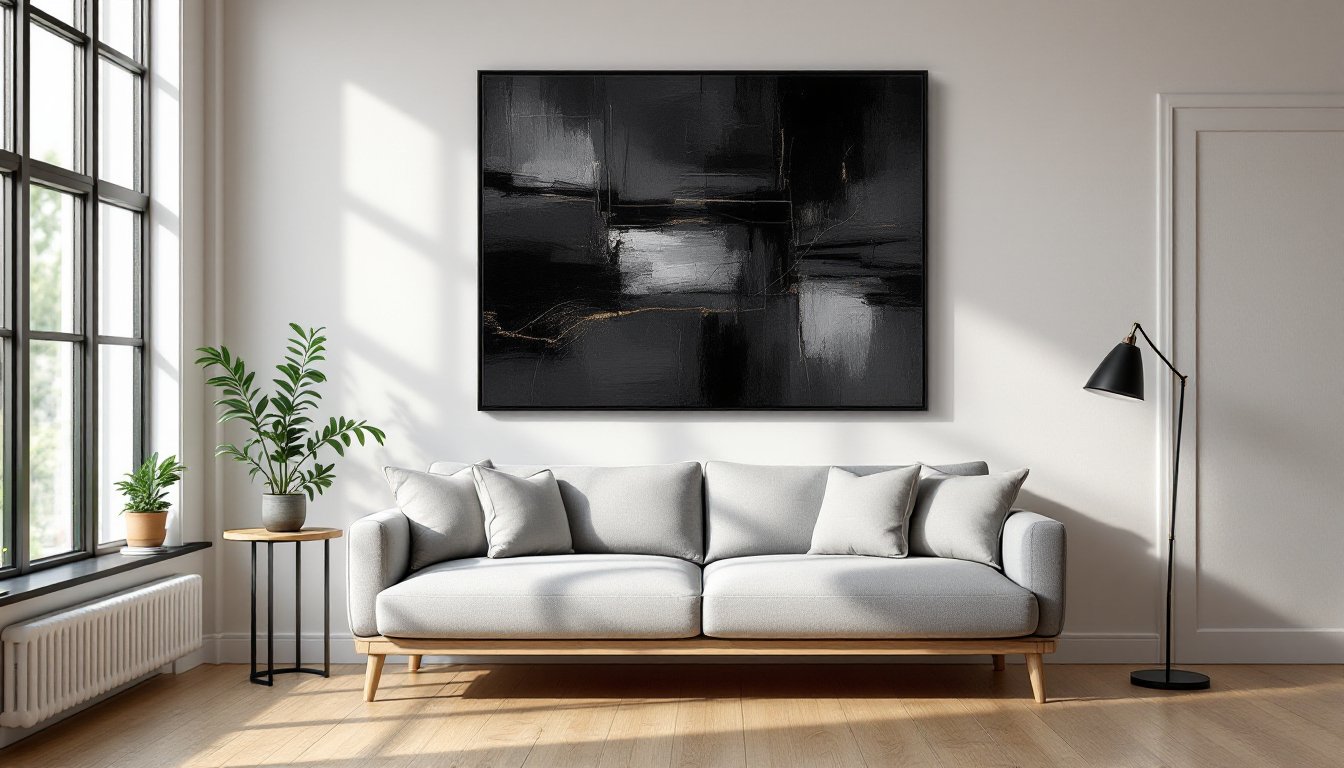

Black wall art decor has become a go-to solution for homeowners and renters looking to anchor a room with visual weight without overwhelming the palette. Unlike trendy colors that fade with seasons, black offers staying power, it pairs with everything from coastal blues to industrial grays, and it doesn’t fight existing finishes or furniture. Whether someone’s working with a gallery wall in a living room or a single statement piece above a console table, black art provides contrast, definition, and a professional finish that’s hard to match with pastels or busy prints.
Key Takeaways
- Black wall art decor provides lasting visual impact without seasonal trends, pairing seamlessly with any color palette from coastal blues to industrial grays.
- The versatility of black art creates instant focal points and establishes room hierarchy while hiding wall imperfections and showing less dust than light-toned alternatives.
- Popular styles include abstract and geometric designs, three-dimensional metal art, and black-and-white photography—each offering distinct textures and modern aesthetics.
- Proper sizing follows the rule that art should span two-thirds to three-quarters of the furniture width beneath it, with centers hung at 57 to 60 inches from the floor for gallery-height display.
- Professional installation requires finding studs, using appropriate anchors for weight (picture hooks under 10 pounds, toggle bolts for heavier pieces), and maintaining 2 to 4 inches between frames in gallery arrangements.
- Black wall art remains timeless and adaptable as rooms evolve, offering an affordable way to anchor spaces without the long-term commitment of paint or wallpaper.
Why Black Wall Art Is the Ultimate Design Choice
Black wall art works because it creates instant focal points without requiring coordination with throw pillows or seasonal decor. A black piece on a white or light-colored wall draws the eye and establishes hierarchy in a space, critical in open-plan homes where rooms blend together.
Versatility is the main selling point. Black goes with warm wood tones, cool metals, painted brick, and everything in between. It doesn’t clash with existing trim color, cabinet stain, or flooring. For homeowners mid-renovation or those who switch up textiles frequently, black art stays relevant.
From a practical standpoint, black hides minor wall imperfections better than light-toned art. A small ding or patched nail hole near a dark frame is less noticeable than one beside a bright white mat. It also shows less dust and fingerprint smudging, a real consideration in high-traffic hallways or family rooms.
Black art also scales well. A small 8×10-inch black-framed print has presence on a narrow wall, while a large 48×36-inch canvas commands attention over a sofa without needing bright colors to justify the real estate. The monochrome approach lets the composition, texture, and framing do the talking.
Finally, black wall art offers timelessness. Trends shift from farmhouse to mid-century to maximalist, but black remains neutral. Homeowners won’t need to swap out artwork when they repaint or update furniture, the art adapts.
Popular Styles of Black Wall Art Decor
Abstract and Modern Black Art
Abstract black wall art uses shapes, lines, and negative space to create movement without literal subjects. Brushstroke canvases with layered charcoal, matte black, and glossy black finishes add depth through texture rather than color. These pieces work well in minimalist spaces or rooms with strong architectural features, think exposed beams, steel railings, or concrete accent walls.
Geometric black art relies on clean lines: hexagons, triangles, overlapping circles. These prints suit modern interiors with streamlined furniture and uncluttered surfaces. Framing matters here, flat black aluminum frames or frameless edge-mounted acrylic keeps the look crisp.
For three-dimensional interest, metal black art wall decor offers relief and shadow play. Laser-cut steel panels, welded wire sculptures, and powder-coated iron grids introduce industrial texture. Mount these with standoff hardware (small spacers that hold the piece ¼ to ½ inch off the wall) to emphasize the shadow effect. Note: Metal pieces over 10 pounds should anchor into studs with appropriate fasteners, toggle bolts or wood screws rated for the load.
Black and White Photography
Black-and-white photography remains a staple because it strips away the distraction of color and emphasizes composition, contrast, and subject matter. Landscapes, cityscapes, portraits, and architectural shots all translate well.
Print quality matters. Pigment-based inkjet prints on archival matte or luster paper offer longevity, look for acid-free paper and UV-resistant inks to prevent yellowing. Glossy finishes can create glare under direct lighting: matte or semi-gloss works better in rooms with large windows or track lights.
Framing choices affect the vibe. A wide white mat with a thin black frame creates breathing room and suits gallery walls. Edge-to-edge framing (no mat) gives a contemporary, magazine-editorial feel. For a cohesive multi-photo wall, keep mat width and frame profile consistent, mismatched dimensions make a wall look unplanned.
Photography also scales affordably. High-resolution digital files allow printing at multiple sizes without losing detail, so homeowners can test layouts with inexpensive prints before committing to large-format canvases or framed pieces.
Choosing the Right Black Wall Art for Your Room
Start with wall dimensions and furniture placement. Measure the width of the furniture piece the art will hang above, sofa, bed, console table. A safe rule: art should span two-thirds to three-quarters the width of the furniture below it. For a 72-inch sofa, aim for a single piece 48 to 54 inches wide, or a grouping that totals that span.
Ceiling height influences vertical scale. Standard 8-foot ceilings suit art between 24 and 36 inches tall for main living spaces. Taller ceilings (9 to 10 feet) can handle 40- to 60-inch pieces without the art feeling lost. Hang the center of the artwork at 57 to 60 inches from the floor, standard gallery height that aligns with average eye level.
Consider the room’s existing contrast. In a room with dark furniture, dark flooring, and deep wall colors, black art can disappear. Adding a white or cream mat, or choosing black art with white elements (line drawings, negative-space designs, black-and-white photography) prevents the piece from blending in. Conversely, in a bright, white-dominant room, solid black abstract pieces or silhouettes create dramatic punctuation.
Texture and finish also matter. Glossy black acrylic or glass-fronted prints reflect light and suit modern, polished spaces. Matte black canvas or paper absorbs light, working better in cozy, layered rooms with soft furnishings. Metal black art wall decor introduces industrial texture and pairs well with exposed brick, concrete, or steel accents.
For renters or commitment-phobes, removable options exist. Peel-and-stick vinyl decals and temporary wallpaper panels in black geometric or botanical patterns offer the visual impact of framed art without nail holes. These apply to smooth, painted drywall and remove cleanly, test a small corner first on textured or freshly painted walls.
How to Display Black Wall Art Like a Pro
Proper hanging starts with finding studs. Use a stud finder to locate solid framing behind drywall, mark with painter’s tape. For lightweight pieces (under 10 pounds), picture-hanging hooks rated for the weight work on drywall alone. Medium-weight pieces (10 to 25 pounds) benefit from anchors: self-drilling drywall anchors for hollow walls, or screws directly into studs. Heavy pieces (over 25 pounds, common with large framed prints or metal art) require two-point hanging: wire or D-rings attached to the frame, with screws driven into studs. If studs don’t align with the desired placement, use toggle bolts rated for the load.
Leveling is non-negotiable. A laser level or a 24-inch spirit level ensures horizontal alignment. For gallery walls, lay the arrangement on the floor first, trace each piece onto kraft paper, tape the paper templates to the wall, and adjust until satisfied. Mark hanger positions through the paper, then remove templates and install hardware.
Lighting elevates black wall art. Picture lights (small, wall-mounted fixtures above the frame) add focused illumination and highlight texture. Install on a dedicated switch or plug into an outlet behind the furniture for easy on/off. Adjustable track lighting or recessed ceiling cans angled at the wall also work, aim for a 30-degree angle to minimize glare on glass or glossy surfaces.
Spacing in multi-piece arrangements: keep 2 to 4 inches between frames for a unified gallery feel. Wider gaps (6+ inches) make the wall look sparse unless pieces are very large. For symmetrical grids, measure carefully, use a ruler and level for each piece. Asymmetrical salon-style walls are more forgiving but still need a visual anchor (usually the largest piece, centered or slightly off-center).
Safety note: Wear safety glasses when drilling into walls, drywall dust and concrete debris from masonry anchors can irritate eyes. If drilling into brick or concrete (common in basements or loft spaces), use a hammer drill with a masonry bit and plastic sleeve anchors or Tapcon screws.
Conclusion
Black wall art decor delivers impact without the commitment of paint or wallpaper, and it adapts as rooms evolve. Whether someone’s hanging a single bold canvas, building a gallery wall, or adding metal sculptural pieces, the key is proper measurement, solid mounting, and honest assessment of the room’s scale and light. Get the install right, and black art anchors a space for years.