
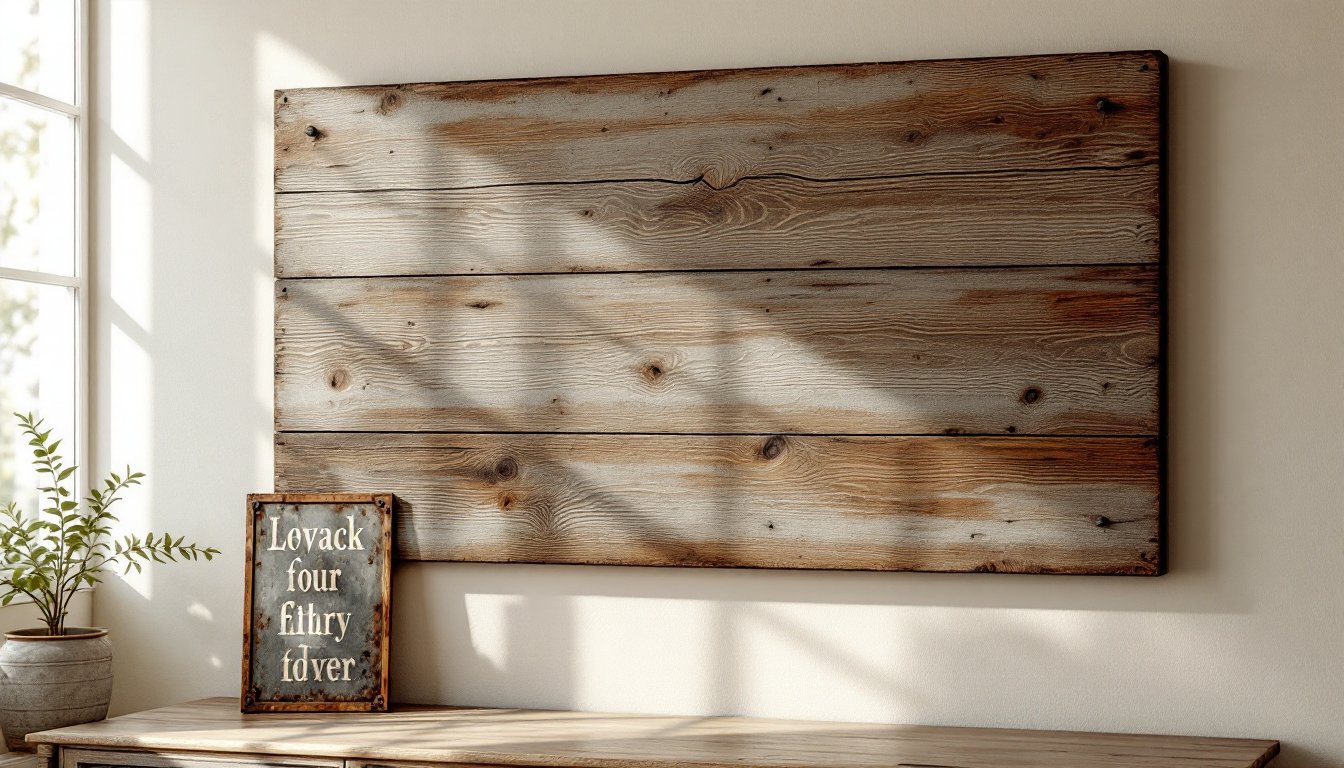

Vintage rustic wall decor brings warmth, character, and a lived-in feel to any room, no shiplap overhaul required. It’s about layering textures, finishes, and materials that show age, patina, and craftsmanship. Whether someone’s working with a farmhouse fixer-upper or adding contrast to a modern space, the right pieces can anchor a room without overwhelming it. Unlike mass-produced art, rustic decor often tells a story: reclaimed barnwood with nail holes, hand-forged metal brackets, or weathered signs that survived decades outdoors. The key is choosing items that feel authentic, not manufactured to look old. This guide walks through what defines the style, which types work best, and how to install and arrange them for maximum impact.
Key Takeaways
- Authentic vintage rustic wall decor features genuine patina, hand-forged details, and reclaimed materials like barn wood and oxidized metal that distinguish real pieces from mass-produced reproductions.
- Heavy vintage rustic wall decor pieces require proper mounting into wall studs using heavy-duty hangers, lag screws, or French cleats to ensure safety and durability.
- Scale and proportion are critical—choose pieces that cover one-half to two-thirds of a focal wall’s width to create impact without overwhelming the room.
- Layer textures, metals, and finishes using odd numbers and offset spacing to achieve an organic, collected-over-time aesthetic rather than a designed appearance.
- Estate sales, architectural salvage yards, and farm auctions typically offer better-quality vintage rustic pieces at more negotiable prices than retail farmhouse decor sections.
- Stabilize rust with a wire brush and clear matte lacquer, and avoid artificial distressing techniques to let the authentic character and natural wear of vintage pieces shine.
What Makes Wall Decor Vintage and Rustic?
The term “vintage” typically refers to items at least 20–30 years old, though true antiques cross the 100-year mark. Rustic describes a design aesthetic rooted in natural materials, rough finishes, and handcrafted details. When combined, vintage rustic wall decor features age-worn wood, oxidized metal, faded paint, and visible joinery, elements that factory-made reproductions struggle to replicate convincingly.
Authentic pieces often carry imperfections: splits in lumber, uneven staining, hand-cut edges, or layers of paint that have chipped over time. Reclaimed materials, pulled from barns, factories, or old fencing, bring genuine patina. Salvaged wood may show beetle tracks, saw marks from circular blades (indicating pre-1900s milling), or square nail holes (used before 1900). Metal accents often display rust bloom, solder joints, or hand-hammered textures.
Not every piece needs to be a genuine antique. Reproductions and unique rustic wall decor made from reclaimed materials can deliver the same visual weight if the craftsmanship is solid. The difference lies in construction: look for mortise-and-tenon joints, hand-planed surfaces, or riveted metalwork rather than stapled corners and factory-applied “distressing.” Understanding these markers helps buyers distinguish between character and costume.
Popular Types of Vintage Rustic Wall Decor
Reclaimed Wood Signs and Panels
Reclaimed wood pieces are the backbone of rustic wall decor. Barn boards, pallet slats, and old fence pickets all work, but species and thickness matter. Weathered oak and chestnut hold up better than pine over decades and show richer grain. Actual barn siding runs 3/4″ to 1″ thick (not the thin pallet wood often sold as “rustic”): thicker stock resists warping when mounted indoors where humidity differs from its original environment.
Wood signs, hand-painted or routed, range from vintage advertisements to family names and farmhouse sayings. Authentic examples used milk paint or oil-based lettering that fades unevenly, leaving shadows where pigment soaked into the grain. Modern reproductions often use vinyl decals, which peel cleanly and lack that embedded look.
Mounting reclaimed wood safely requires attention to weight and wall type. A 24″ x 36″ barn board panel can weigh 15–20 lbs. On drywall, use two heavy-duty picture hangers rated for 20+ lbs each, driven into studs if possible (locate with a stud finder at 16″ or 24″ on-center spacing). For plaster walls, toggle bolts spread the load behind brittle lath. Never rely on adhesive strips alone for anything over 10 lbs, they fail as wood acclimates and shifts with seasonal humidity changes.
Some DIYers build their own panels from salvaged materials. Sand lightly to remove splinters (80-grit on a random orbital sander), but don’t erase the weathering. Seal with a matte polyurethane or tung oil to prevent shedding and bug activity without adding sheen. If the wood’s been outdoors, inspect for powder post beetles (fine dust around tiny holes) and treat with a borate solution before bringing it inside.
Antique Metal Accents and Farmhouse Fixtures
Metal decor adds contrast to wood-heavy rustic spaces. Wrought iron brackets, vintage advertising signs, galvanized barn stars, and salvaged industrial gears all fit the aesthetic. Look for pieces with hand-forged welds, rivet heads, or casting seams, details that indicate age and craftsmanship.
Tin signs from the 1930s–1950s were lithographed, not digitally printed. Authentic examples show layered ink, embossed edges, and rust that bleeds through from the back. Reproductions often have perfectly uniform distressing and lack the weight of true pressed tin (originals are typically 22-gauge to 24-gauge steel).
Cast iron architectural salvage, corbels, window grilles, or gate sections, can be repurposed as wall art. These pieces are heavy (a 12″ bracket can weigh 5+ lbs), so mounting requires masonry anchors on brick or concrete, or lag screws into studs for frame walls. Pre-drill pilot holes slightly smaller than the screw diameter to prevent splitting wood trim if mounting over wainscoting or shiplap.
Rust is part of the charm, but active corrosion can stain walls and continue to deteriorate. Stabilize it by brushing off loose flakes with a wire brush, then seal with a clear matte lacquer or Renaissance Wax (a microcrystalline wax used by museums). This preserves the patina without making it look freshly painted.
Galvanized steel pieces, wash tubs, chicken feeders, or vent covers, offer a lighter finish. True galvanization shows a crystalline “spangle” pattern and resists rust. Mounting lightweight galvanized items (under 3 lbs) can be done with sawtooth hangers or D-rings and standard picture hooks.
How to Choose the Right Pieces for Your Room
Scale and proportion matter more than style purity. A 6-foot barn door might anchor a living room, but it’ll overwhelm a 10′ x 10′ bedroom. Measure wall space before shopping. For a focal wall (the first one seen when entering a room), aim for a piece or grouping that covers roughly one-half to two-thirds of the wall’s width. Anything smaller looks like an afterthought: much larger feels crammed.
Consider the room’s existing finishes. Rustic decor pairs well with neutral or earthy tones, grays, taupes, creams, and muted greens, but can clash with high-gloss or ultra-modern finishes unless used intentionally for contrast. In a space with stainless steel appliances and quartz counters, a single reclaimed wood piece can add warmth. Too many rustic elements in that context create visual conflict.
Lighting affects how patina and texture read. Natural light highlights grain and oxidation: dim spaces can make weathered finishes look muddy. If a room lacks windows, add picture lights or adjustable track lighting to graze the surface and bring out detail.
Think about function alongside form. A vintage ladder can serve as a towel rack in a bathroom. An old window frame (glass removed and backed with chicken wire or burlap) becomes a memo board. Galvanized buckets mounted on brackets hold potted herbs in a kitchen. Dual-purpose pieces justify their wall space in smaller homes.
Authenticity has a price, but it doesn’t always mean expensive. Estate sales, architectural salvage yards, and farm auctions often yield better finds than retail “farmhouse decor” sections. Bring a tape measure, a flashlight (to check for hidden damage), and cash, many sellers prefer it and may negotiate.
Styling Tips to Create an Authentic Rustic Look
Layer textures and finishes. Combine raw wood with painted or whitewashed pieces. Mix metals, iron and galvanized steel together feel collected over time, not bought in a set. Avoid perfect symmetry: offset heights and spacing for a more organic arrangement.
Use odd numbers. Three small frames, five hooks, or a single statement piece feel more balanced than pairs. When creating a gallery wall with vintage items, lay the arrangement on the floor first. Aim for 2–3″ of space between pieces, with the center of the grouping at eye level (typically 57–60″ from the floor).
Anchor with a focal piece. Start with the largest or most visually striking item, a barnwood panel, a metal windmill blade, or an oversized sign, then build around it with smaller accents. This prevents the “floating clutter” look that happens when too many similar-sized pieces compete for attention.
Mind the mounting hardware. Exposed fasteners should match the aesthetic. Black or oil-rubbed bronze screws blend with rustic finishes better than shiny Phillips heads. For a cleaner look, use French cleats (a two-part hanging system with interlocking beveled edges) on heavy wood panels. One cleat mounts to the wall (screwed into studs), the other to the back of the piece. They lock together and distribute weight evenly.
Don’t over-distress or overstyle. Let the materials speak. If a piece already has authentic wear, don’t add more. Skip the “barnwood in a can” spray paint and faux aging kits, they rarely fool the eye up close. Instead, invest in one or two genuine pieces and let them carry the room.
Respect the room’s architecture. In a home with original crown molding, plaster walls, or wainscoting, vintage rustic decor can highlight those features. In new construction, it softens the edges. But don’t fight the bones of the house, rustic decor in a mid-century modern with floor-to-ceiling glass works only if treated as intentional contrast, not a style mashup.
Conclusion
Vintage rustic wall decor works when it feels discovered, not designed. The best installations mix authentic age, solid mounting, and enough restraint to let each piece stand out. Measure carefully, anchor hardware into studs where possible, and choose items that fit the scale of the room. With attention to materials and a little patience hunting for the right finds, rustic decor adds warmth and character that factory-made alternatives can’t replicate.