
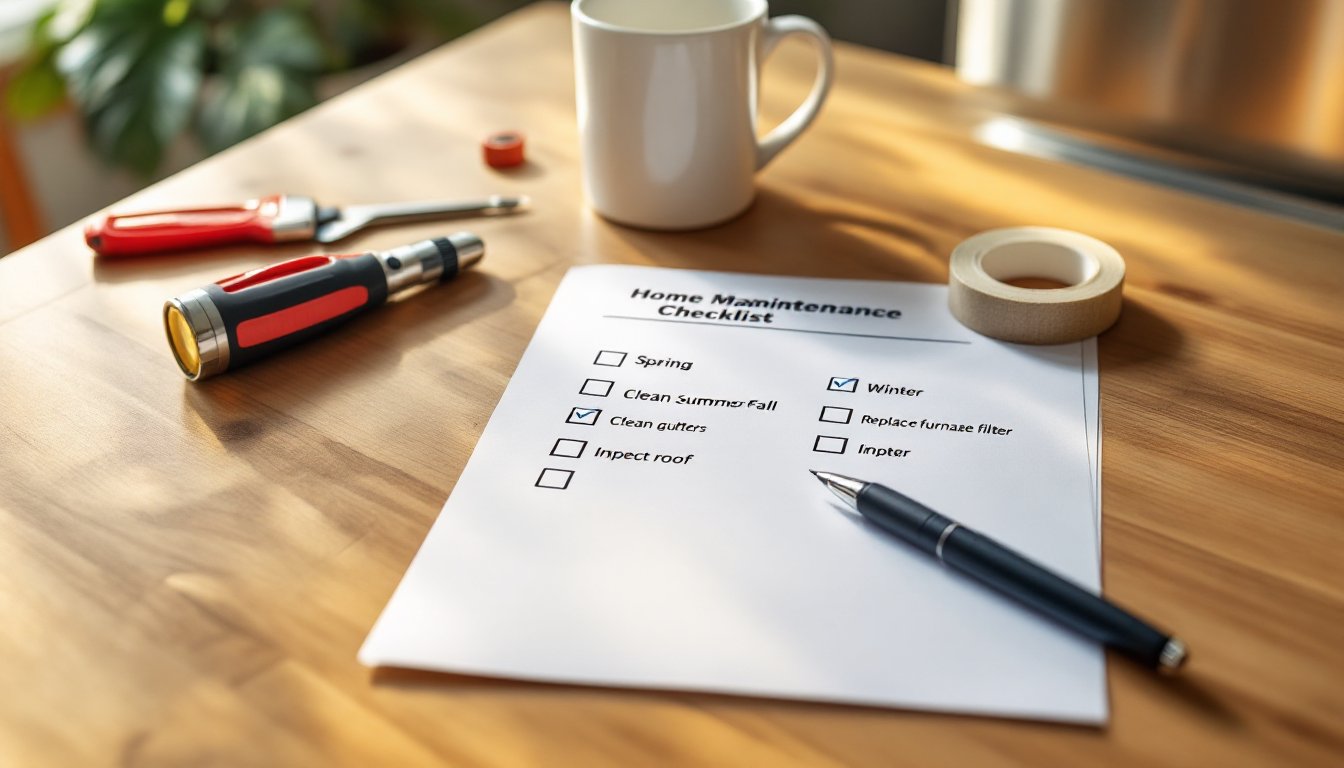

Most homeowners know they should be maintaining their house, but without a system, important tasks slip through the cracks until something breaks. A water heater fails in February. A clogged gutter dumps water into the basement. The furnace quits on the coldest night of the year. A home maintenance checklist PDF solves that problem by turning vague intentions into a concrete action plan. It’s a simple tool that organizes seasonal, monthly, and weekly tasks into manageable chunks, helps track what’s been done, and reminds homeowners what’s coming next. This guide breaks down the essential maintenance tasks every home needs and shows how to build a checklist that actually gets used.
Key Takeaways
- A home maintenance checklist PDF transforms vague intentions into a concrete action plan by organizing seasonal, monthly, and weekly tasks into manageable chunks that prevent costly emergencies.
- Preventive maintenance saves thousands of dollars—replacing a $15 furnace filter costs far less than a $300+ service call, while cleaning gutters twice yearly prevents $5,000–$10,000 in water damage repairs.
- Spring requires inspecting for winter damage, cleaning gutters, servicing air conditioning, and testing sump pumps, while fall demands gutter cleaning again, roof inspection, and heating system preparation before winter stress.
- Monthly tasks like changing HVAC filters, testing detectors, and checking under sinks keep systems running smoothly, while weekly inspections for water heater leaks and pest signs catch problems early.
- A PDF checklist offers flexibility that apps can’t match—it’s printable, shareable, doesn’t require subscriptions, and works offline, making it ideal for managing rental properties or multiple homes.
- Customize your checklist with specific tasks, dates, and notes; pair it with calendar reminders; and review it annually to ensure it evolves with your home’s needs and your skill level.
Why Every Homeowner Needs a Home Maintenance Checklist
Preventive maintenance saves money. Replacing a $15 furnace filter every three months costs less than a $300+ service call to fix an overworked blower motor. Cleaning gutters twice a year prevents $5,000–$10,000 in foundation and water damage repairs. A checklist turns these small tasks into habits before they become expensive emergencies.
It also protects home value. Deferred maintenance compounds, peeling paint leads to wood rot, a small roof leak becomes sheathing replacement, a ignored HVAC system fails years early. Buyers and home inspectors notice neglect. Regular upkeep keeps systems running efficiently and the property competitive when it’s time to sell.
A PDF checklist offers flexibility that apps and software can’t match. Homeowners can print it, mark it up with a pen, stick it on the fridge, or keep a digital copy in cloud storage. It doesn’t require subscriptions, logins, or updates. It’s portable, shareable with a partner or property manager, and works offline. For anyone managing rental properties or multiple homes, a standardized PDF ensures consistency across all units.
Seasonal Home Maintenance Tasks to Keep Your Property in Top Shape
Spring and Summer Maintenance Priorities
Spring is inspection season. Walk the perimeter and look for winter damage: cracked foundation sealant, loose siding, damaged shingles. Check that grading slopes away from the foundation, at least 6 inches of drop over 10 feet. Standing water against the house invites basement leaks and structural issues.
Clean gutters and downspouts thoroughly. Remove leaves, shingle grit, and debris. Flush with a hose and confirm water flows freely. Extend downspouts at least 4–6 feet from the foundation. If gutters sag or pull away from fascia boards, reattach or replace brackets before the next storm.
Service the air conditioning system before the first heat wave. Replace or clean the filter, clear debris from the condenser unit (keep vegetation at least 2 feet away), and consider a professional tune-up every 1–2 years. Dirty coils reduce efficiency by 5–10% and shorten equipment life.
Inspect window and door screens for tears. Replace damaged mesh or re-screen frames, it’s cheaper than running the AC to compensate for open windows you can’t use. Check weatherstripping and caulk around exterior door frames and windows. Re-seal gaps with exterior-grade caulk (polyurethane or acrylic latex) to keep conditioned air inside.
Test the sump pump if the home has one. Pour 5 gallons of water into the pit and confirm the pump activates and discharges away from the house. Replace the battery in battery-backup models annually.
Fall and Winter Maintenance Priorities
Fall prep protects the home from freeze damage and storm stress. Clean gutters again after leaves finish dropping, clogged gutters in winter create ice dams that force water under shingles and into walls.
Inspect the roof from the ground with binoculars, or hire a pro for a close-up look. Check for missing, curling, or cracked shingles. Look at flashing around chimneys, vents, and skylights, gaps here cause leaks. Most asphalt shingle roofs last 20–30 years: if the roof is near the end of its lifespan, plan replacement before a failure forces an emergency job at a premium price.
Switch focus to the heating system. Replace the furnace filter (do this monthly during heating season if using 1-inch disposable filters). Vacuum floor registers and return vents. Bleed radiators in hot-water systems to remove trapped air. Schedule a professional inspection every 1–2 years, especially for systems over 10 years old. Carbon monoxide leaks from cracked heat exchangers are silent killers, install CO detectors on every floor if they’re not already in place.
Drain and store garden hoses. Shut off exterior hose bibs from inside the house if the valves exist, then open the outside faucet to drain residual water. In cold climates, a frozen hose bib can burst and flood walls. Insulate exposed pipes in unheated spaces like crawlspaces, attics, and garages with foam pipe insulation (1/2-inch wall minimum for copper pipes in moderate climates, thicker for severe cold).
Check weatherstripping and door sweeps again, winter wind finds every gap. Reverse ceiling fan direction (clockwise at low speed) to push warm air down from the ceiling. Inspect the chimney and fireplace. Have a certified chimney sweep clean and inspect if wood-burning: creosote buildup causes chimney fires. Confirm the damper seals tightly when not in use.
Monthly and Weekly Home Maintenance Tasks
Monthly tasks keep systems running smoothly between seasonal deep dives. Change HVAC filters (or check them, some high-efficiency pleated filters last 90 days, but homes with pets or high dust may need monthly swaps). A clogged filter forces the system to work harder, wastes energy, and shortens equipment life.
Test smoke detectors and carbon monoxide detectors by pressing the test button. Replace batteries in non-hardwired units (or annually in hardwired units with battery backup). Smoke detectors expire after 10 years: check the manufacture date on the back and replace outdated units.
Run water in rarely used drains, guest bathrooms, basement sinks, floor drains. Traps dry out and allow sewer gases into the house. A quick 30-second flush refills the trap and solves the problem.
Inspect under sinks for leaks. Check supply line connections, the P-trap, and the cabinet floor for moisture or stains. Catch small leaks before they rot cabinets or subflooring.
Clean range hood filters. Most are dishwasher-safe: grease buildup reduces ventilation effectiveness and creates a fire hazard.
Weekly tasks are quick hits that prevent bigger problems. Check the water heater for leaks or corrosion at the base and connections. Listen for unusual noises, rumbling or popping indicates sediment buildup. Flushing the tank annually extends life, but it’s not a weekly job.
Look for signs of pests: droppings, chewed materials, nests. Catching an infestation early is easier and cheaper than waiting until it’s widespread. Inspect weatherstripping on garage doors, it wears faster than other seals and lets in rodents, insects, and cold air.
How to Create and Use Your Home Maintenance Checklist PDF
Start with a template or build from scratch in a word processor or spreadsheet. Organize by frequency: annual/seasonal, monthly, and weekly sections. Within each category, list tasks with enough detail to be actionable. “Check roof” is vague: “Inspect roof for missing/damaged shingles and check flashing around chimneys” is specific.
Add columns for date completed and notes. Tracking when the furnace filter was last changed or the gutters cleaned prevents guesswork and helps spot patterns (“The southeast gutter clogs every fall, maybe trim that oak branch”).
Customize for the home. A house with a septic system needs regular pumping (typically every 3–5 years depending on tank size and household size). Homes with hardwood floors benefit from periodic refinishing checks. If the property has a deck, add seasonal inspections for loose boards, popped nails, and structural connections. A pool or well requires its own maintenance schedule.
Include equipment-specific tasks with model numbers and service dates. When was the water heater installed? When does the manufacturer recommend tank flushing or anode rod replacement? Referencing the appliance manual (keep PDFs in the same folder as the checklist) ensures following manufacturer recommendations and preserving warranties.
Set reminders. A PDF alone won’t remind anyone, pair it with calendar alerts, a dedicated binder on the workbench, or a digital task manager. Some homeowners print a fresh copy each quarter and cross off tasks as they go, then file completed checklists as a maintenance record.
Be realistic. If a task requires skills or tools the homeowner doesn’t have (like electrical panel inspection or HVAC refrigerant checks), note “Hire licensed pro” and include a target month. Some jobs, anything involving load-bearing modifications, gas lines, main electrical service, or structural engineering, aren’t DIY projects and often require permits.
Review and revise annually. Did a task take longer than expected? Was something forgotten? Adjust the checklist so it’s more accurate next year. A good checklist evolves with the home and the homeowner’s skill level.
Conclusion
A home maintenance checklist PDF isn’t glamorous, but it’s one of the most effective tools a homeowner can use. It prevents expensive failures, extends the life of major systems, and turns overwhelming home upkeep into a manageable routine. Print it, customize it, and actually use it. The house will thank you, and so will the bank account.